Ready for the Museums of the Future
-
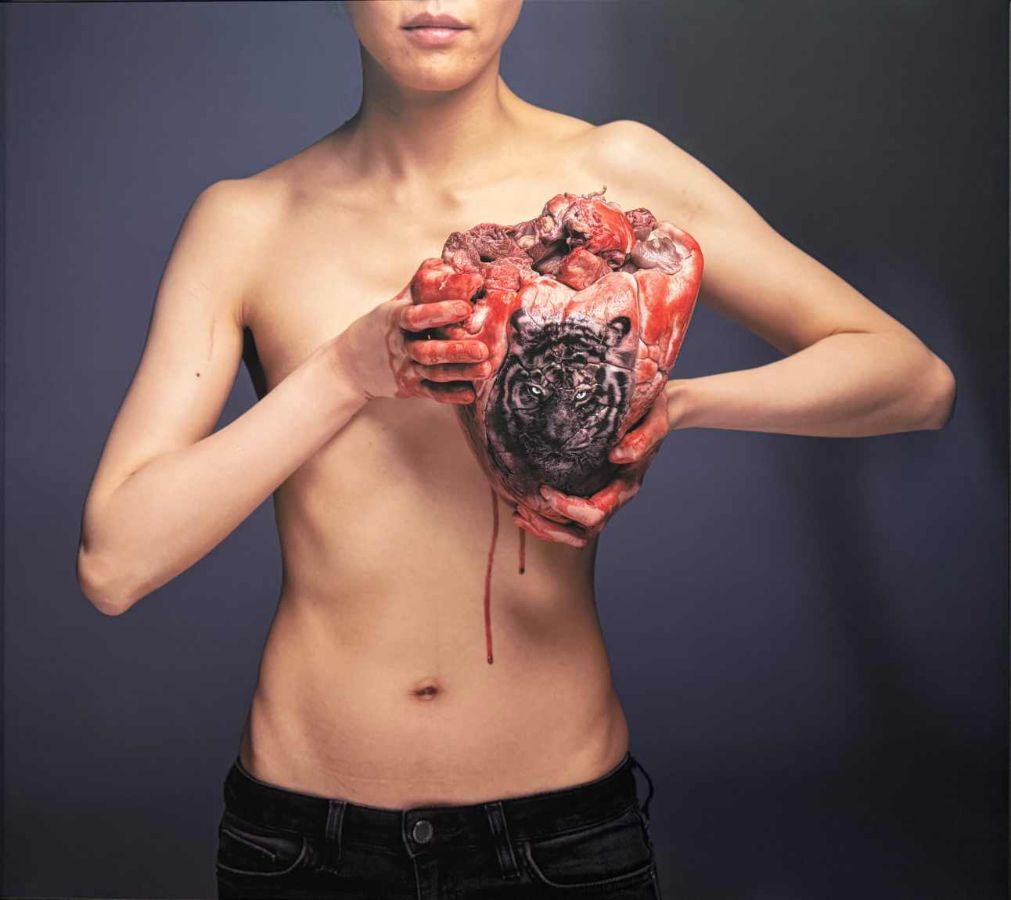 For their exhibition “Unframed,” the students selected various works from the Sigg Collection to explore issues such as societal pressure on women, the relationship between East and West, and the presence of artworks in physical and digital spaces: Cao Yu, The Thing in the Chest, 2020, Sigg Collection, Mauensee. © Cao Yu
 -
 Ai Weiwei, Safety Jackets Zipped the Other Way, 2020, Sigg Collection, Mauensee. © Ai Weiwei
 -
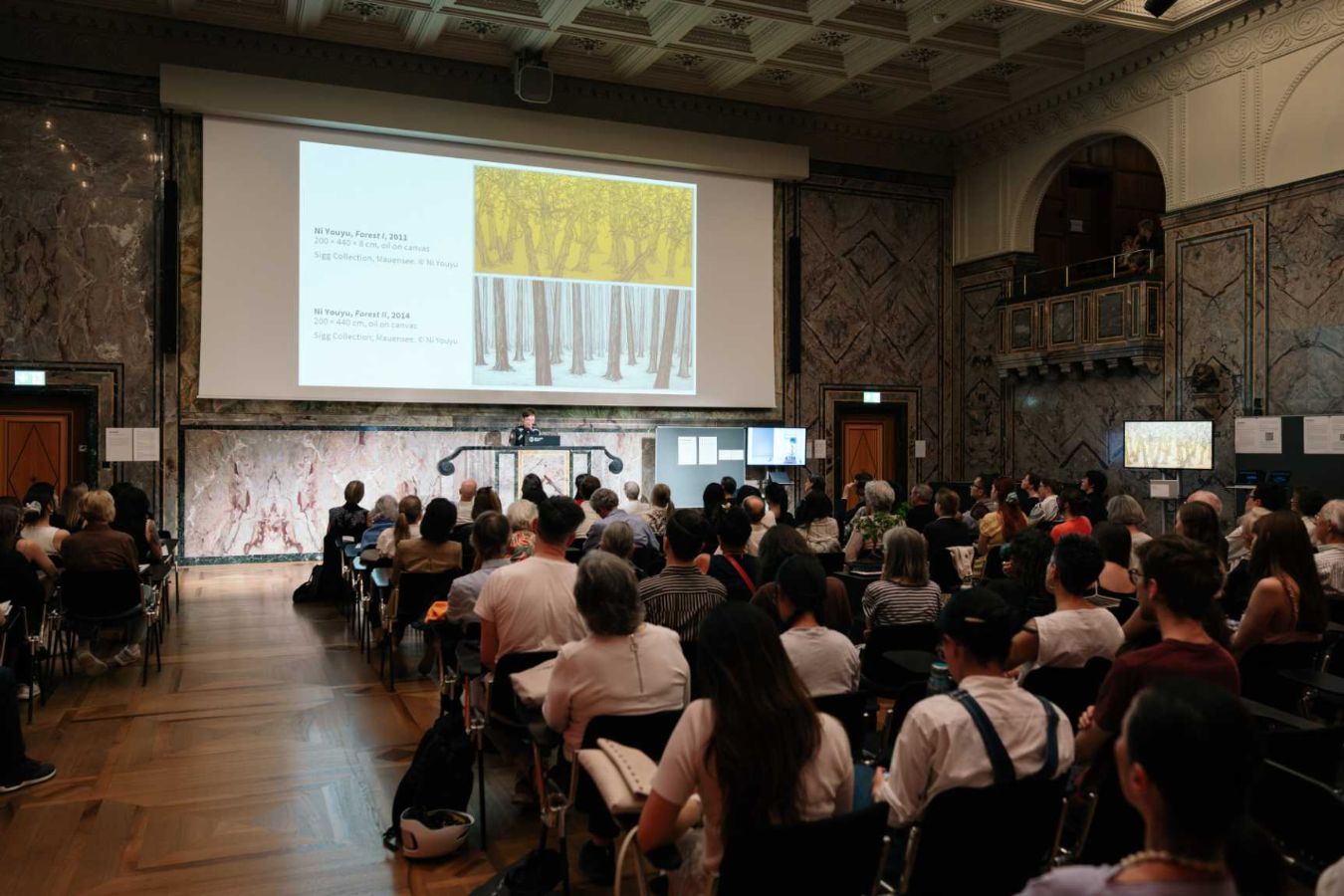
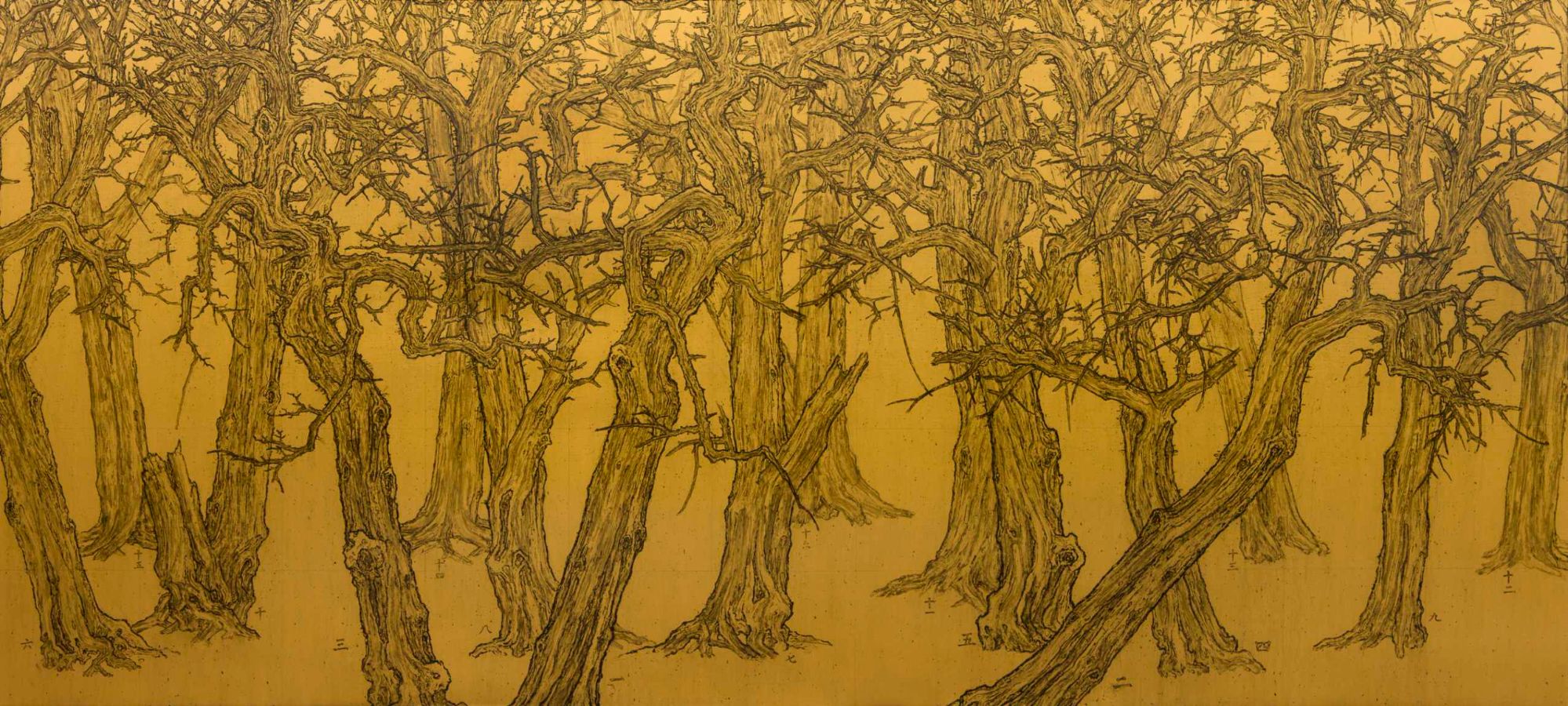 Ni Youyu, Forest I, 2011, Sigg Collection, Mauensee.
 -
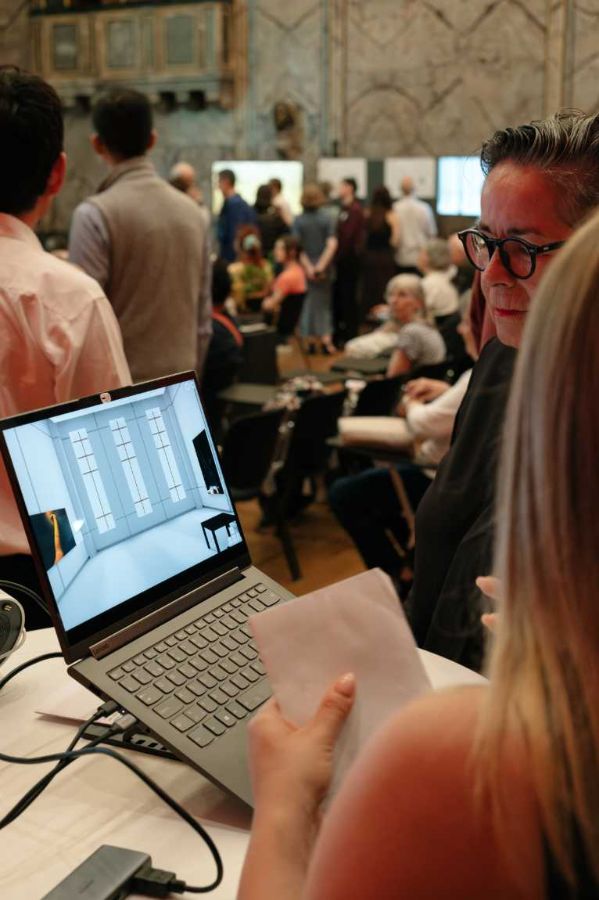
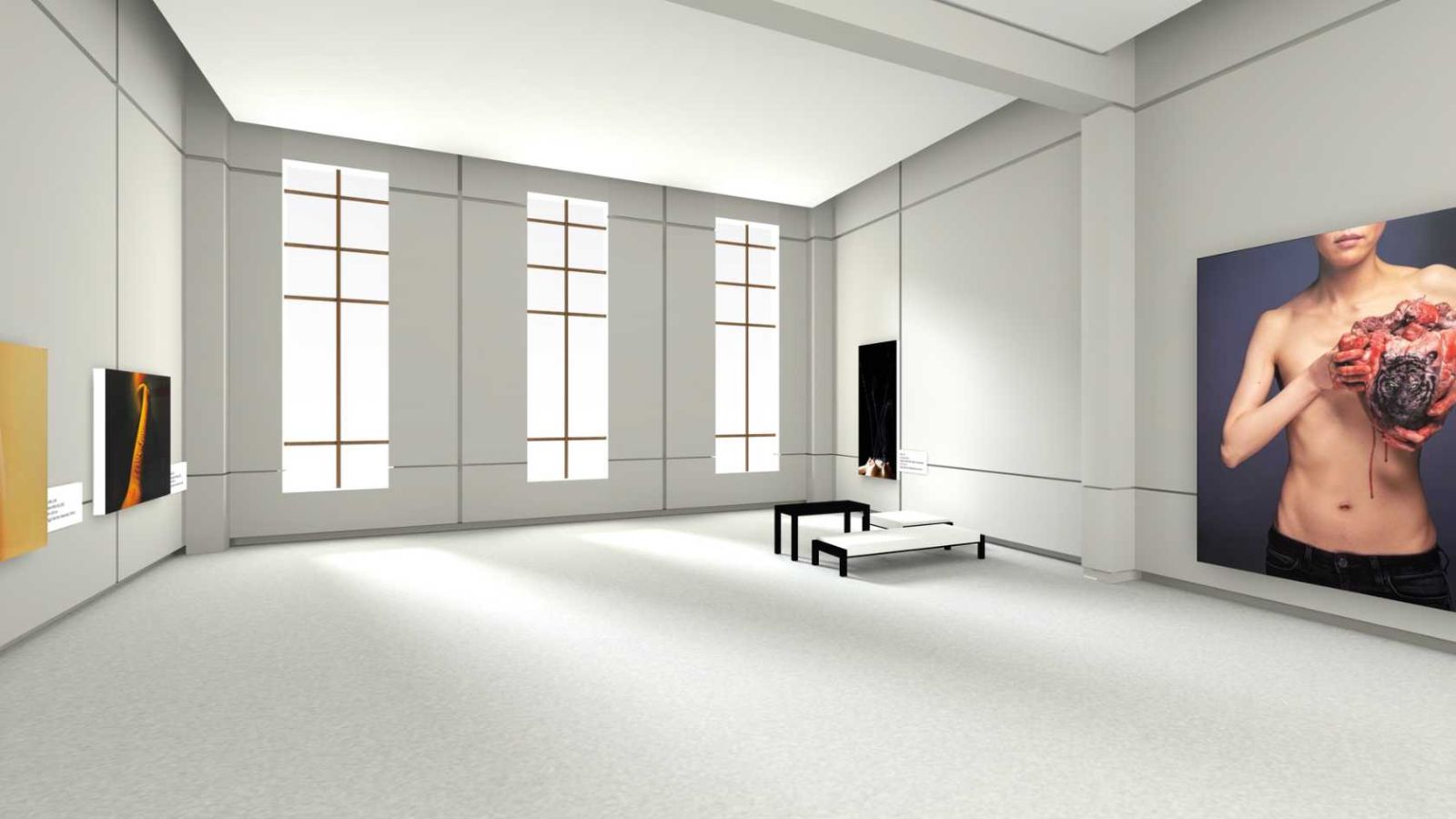 View of the virtual exhibition with works from Cao Yu and Chen Zhe.
“You are standing in front of ‘The Thing in the Chest’ by Cao Yu,” says the friendly voice in my augmented reality glasses. The AI connected to the device has recognized the artwork via the integrated camera. The voice then proceeds to provide information about the work. The words are generated using a dedicated large language model (LLM) trained on art historical information and sources relating to the artwork.
What sounds like a scene from a science fiction movie was a lived experience for the visitors at the opening of the exhibition “Unframed: The Sigg Collection Goes Virtual” in the main lecture hall at UZH Zurich last Monday. The AR glasses were designed by Xue Bai, a student, and developed by Dominique Vionnet as part of the course “Methods in Digital (Art) Curation: The Sigg Collection” offered by the Chair of East Asian Art History.
A guided tour with an AI that knows as much as the curator
“The AI is fed with the same information that curators and art historians use when working with these artworks,” explains Xue Bai, who developed the idea for such an AI-supported museum guide as part of the course. “It’s as if you were walking through the exhibition together with the curator, benefiting directly from their knowledge of the artworks,” says Xue.
The voice in your ear can also listen. “Question,” I say – the keyword indicating that I would like to ask something. The narration pauses and the voice signals that it is ready to hear my question. “Why is this woman carrying an ox heart on her chest? And why is a tiger’s head depicted on it?” The voice explains the social expectations placed on women in China: They are expected to devote themselves entirely to raising their children, and to be as strong as an ox and as ready to fight as a tiger.
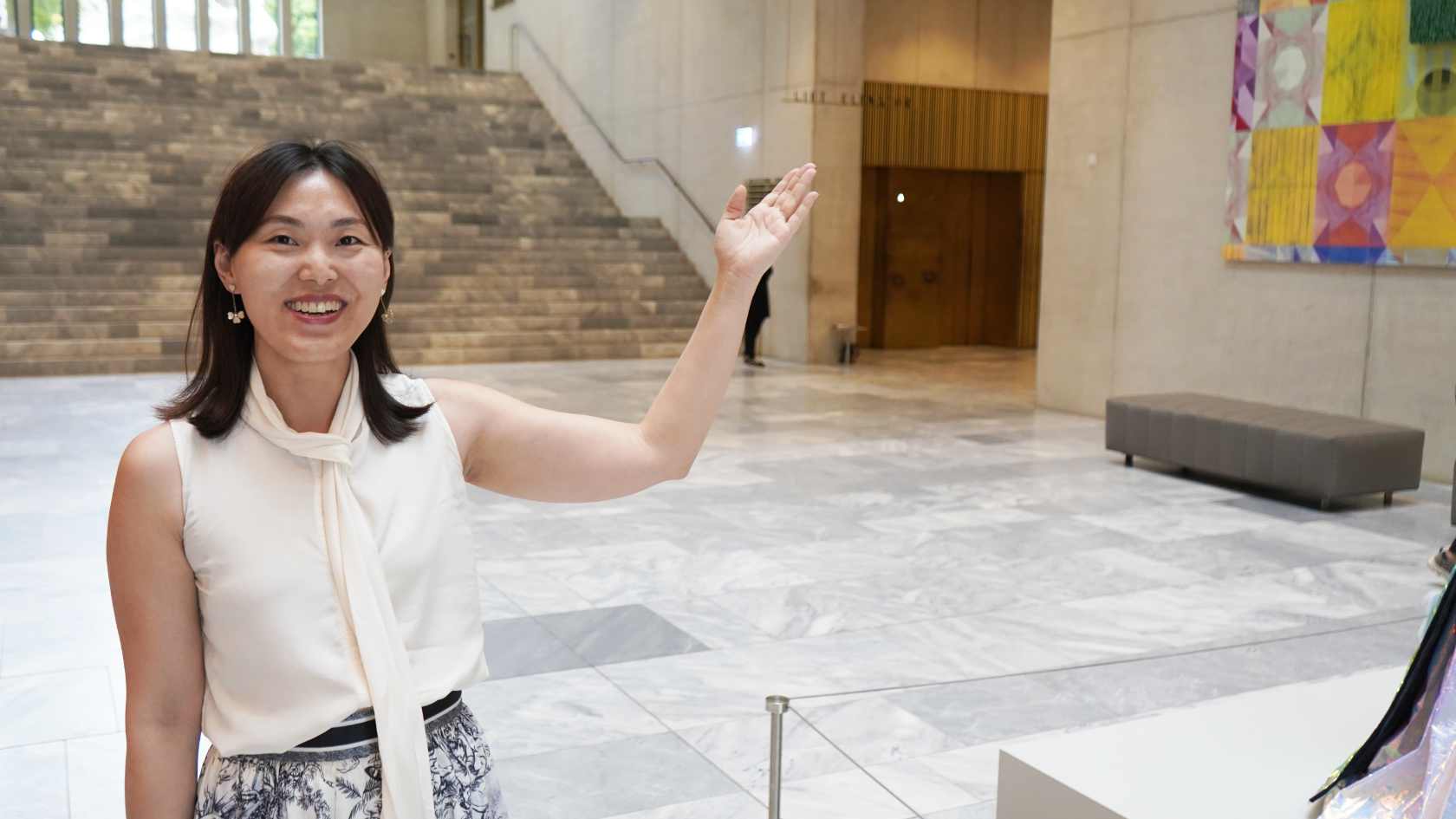
“When I visit a museum, I often lack the background information needed to understand the art,” says Xue Bai. “If I know more about the artwork, the artist and the social context, I can understand the work better and appreciate it more deeply.”
Expertly trained with information verified by experts
Through her app, for which she has also developed a prototype using works from the Merzbacher Collection at Kunsthaus Zürich, Xue Bai aims to enable all visitors to obtain expert information about artworks by interacting with a specially trained AI.
A key aspect is that the AI only evaluates information that has been selected and verified by experts. This prevents the AI from “hallucinating” and inventing data, artworks or events.
“We still need art historians to train the AI and monitor its quality,” emphasizes Xue Bai. Thanks to the app, however, specialist knowledge can be made accessible to a broad audience in a user-friendly way.
Digital tools and curatorial reflection
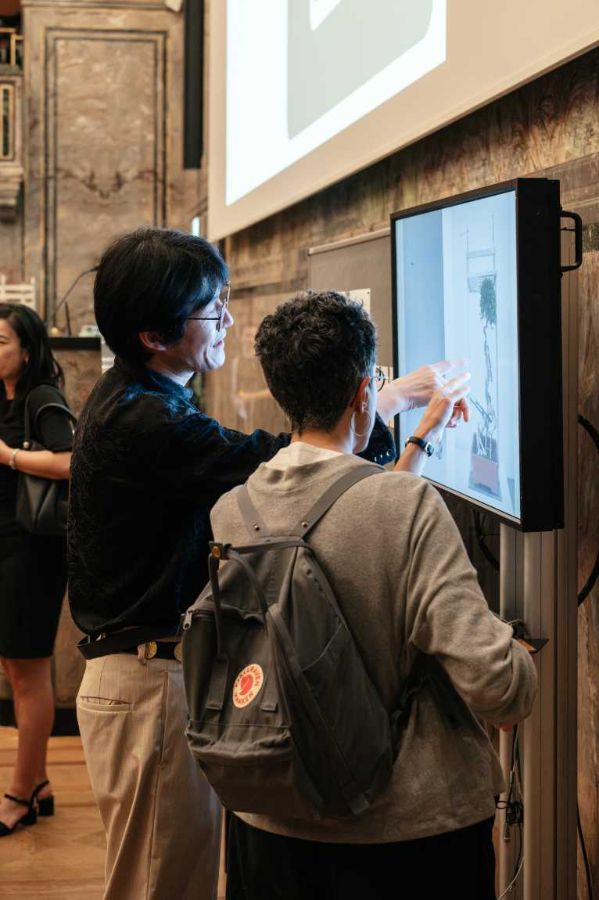
Augmented reality was one of three approaches to digital curation explored by postdoctoral fellow Stephanie Santschi in her course “Methods in Digital (Art) Curation: The Sigg Collection” during the spring semester. In addition to the glasses featuring AI-generated information, students also explored other ways to supplement the digital representation of the artworks. For example, they combined them for example with sensory experiences, such as tactile boxes or soundscapes delivered through headphones.
The course gave students a very practical understanding of what it means to be a curator in the digital era.
Santschi has over ten years of experience with digital exhibition tools and taught the students how to use them in a hands-on approach. From the outset, the objective of the course was clear: students were to develop an exhibition contribution to be publicly presented in the main lecture hall on 8 June.
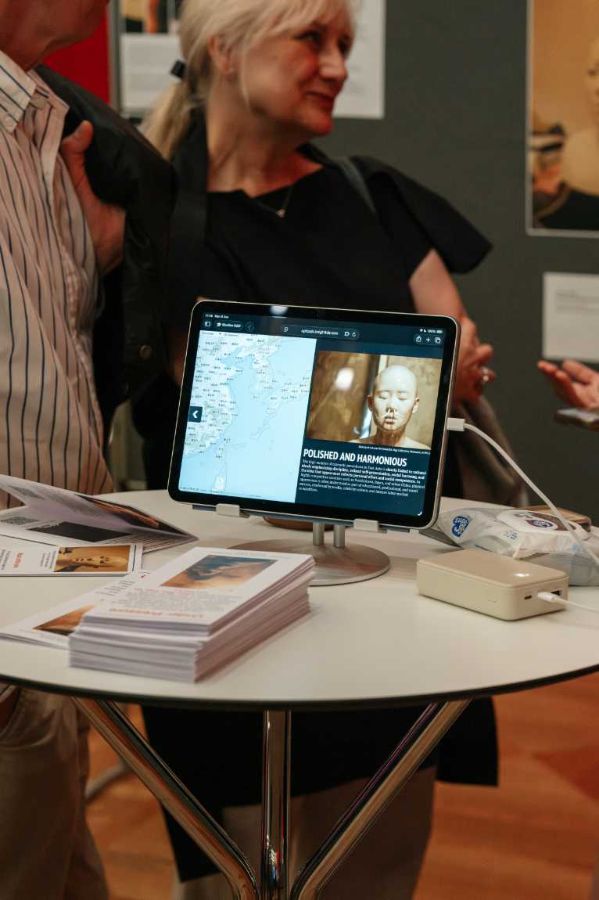
During the first sessions, students became familiar with the digital tools they would use to create their projects based on works from the Sigg Collection. Kunstmatrix allows users to create virtual three-dimensional gallery spaces in which artworks can be “hung.” With the StoryMaps tool, students could place artworks within a geographical context and enrich them with additional information.
For Santschi, however, learning how to operate the tools was not the primary goal. “The students were, above all, expected to engage with the process of curation while learning about contemporary Chinese art,” she explains.
It was equally important to encourage students to reflect on how different forms of digital presentation influence curatorial decisions and the messages conveyed. For example, it became apparent that the tool Kunstmatrix is not suitable for exhibiting sculptures or immersive installations. Conversely, presenting artworks within a geographical framework carries the risk of reducing artists and artworks to their national origins.
-
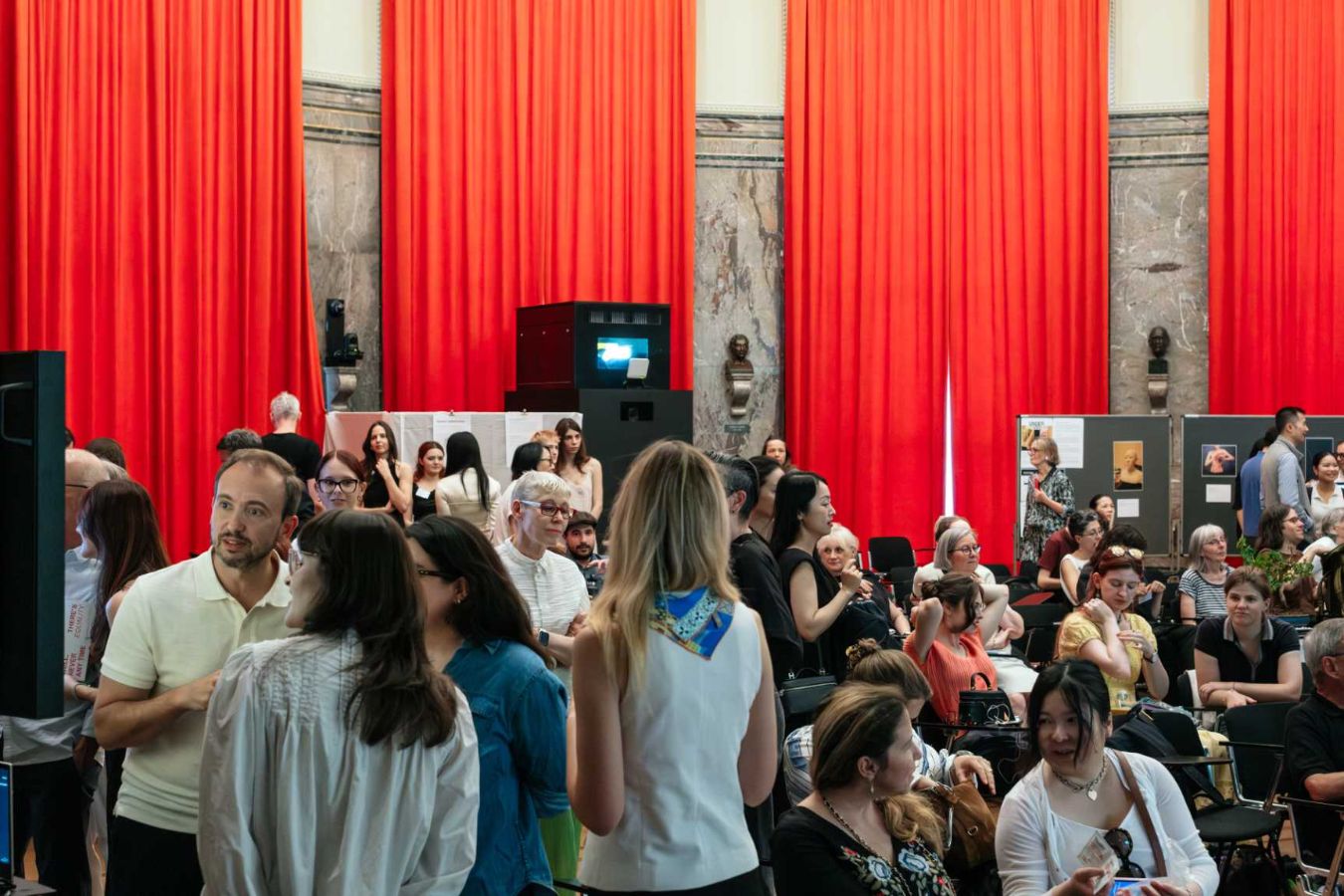 Interest was great in the digital exhibition, which was presented in the auditorium. Photos: Gabriel Bienz
 -
-
-
-
Practical challenges
“The course gave students a very practical understanding of what it means to be a curator in the digital era,” explains Santschi.
Through developing their own projects, students learned that curators must address more than just questions related to art history. They must also consider how to communicate their work to audiences without prior knowledge.
This is particularly important for works of art from other cultural contexts, which require transcultural mediation. As Santschi emphasizes, the Chair of East Asian Art History aims to instill in its students the ability to approach cultural differences with a critical yet respectful eye – a key skill in today’s global museum landscape.
We want to initiate this kind of educational direction to expand students’ skill toolbox, particularly in areas such as digital transformation.
Curation also involves translating ideas into actual exhibitions. All students had to consider how their works would be presented in the main lecture hall. It soon became clear that not every curatorial concept could be implemented.
One student had planned to create a completely darkened room where visitors would experience only sounds and audio elements. However, this was not feasible for the event, so the concept was scaled back to an audio station with blindfolds.
“Students particularly appreciated this application-oriented approach,” says Santschi. The course aimed to prepare them for a potential professional future as curators, a field in which digital tools are becoming increasingly important.
Skills relevant to the future
This innovative course combines both curatorial and digital approaches while engaging students with contemporary Chinese art, a major player in the global art world. Ewa Machotka, professor of East Asian Art History, emphasizes the unique opportunity for students to work with artworks from the world’s most significant collection of contemporary Chinese art. “It is very generous of Uli and Rita Sigg to make their private collection available for this project,” says Machotka.
She hopes that this work will continue in the future, as it embodies the strategic focus of the East Asian Art History program: “We want to initiate this kind of educational direction to expand students’ skill toolbox, particularly in areas such as digital transformation”, says Machotka. These skills can be applied to diverse careers after graduation.
Machotka also considers it important to engage with the broader public and foster dialogue beyond academia. The public vernissage marking the conclusion of the course successfully achieved this goal.