Between the Olympics and the Lecture Hall
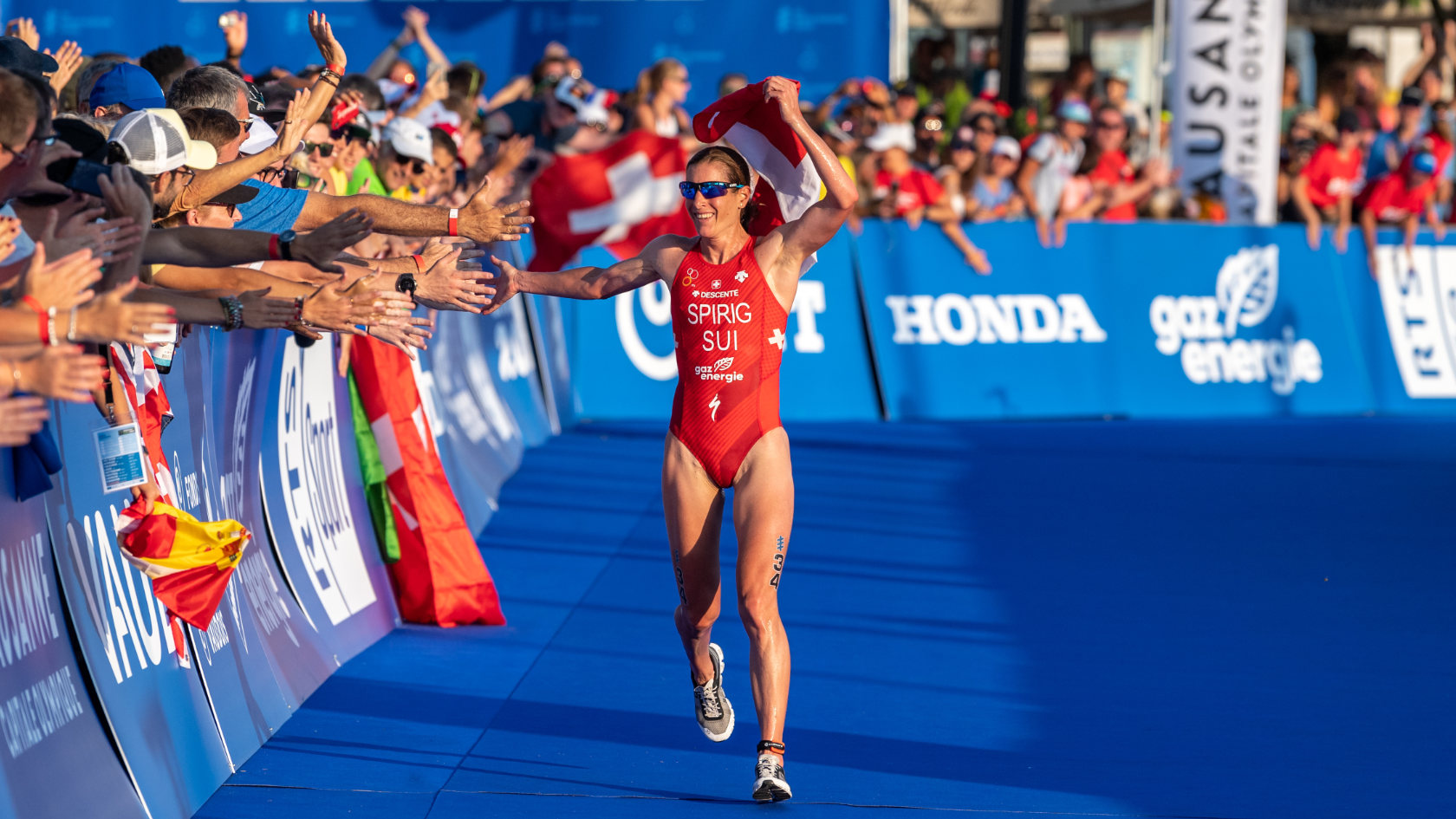
UZH Alumni: If you had to describe yourself in a few sentences – how would you do it?
Nicola Spirig: It’s important to me to live out my passion. In the past, that was primarily sports; today, I want to share my experiences and inspire others – children, elite athletes and people in the corporate world alike. At the same time, I remain curious and am constantly evolving. And, of course, my family plays a central role in my life.
Were there any experiences during your time as a student at the University of Zurich that had a particularly profound impact on you?
Nicola Spirig: My studies were extremely valuable to me because they gave me a sense of balance. While I competed for top results as an athlete on the weekends and tried to become the best in the world in my sport, during the week I was just a regular student and intellectually challenged. Having these two worlds was especially important to me during periods when I was injured. My studies gave me security and a second source of income. Thanks to my legal education, I was later able to focus entirely on sports for two years without having to worry about my future.
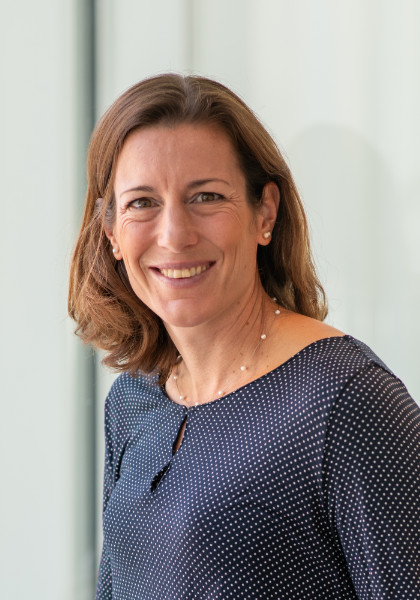
My studies at UZH were extremely valuable to me because they gave me a sense of balance.
Pursuing studies and elite sports at the same time is certainly demanding. What routines helped you?
Nicola Spirig: Efficiency and focus were crucial. I had very little time to study because I also had to train. That’s why I used that time very efficiently. This ability to focus fully on a task has also helped me enormously later in life.
In moments of extreme pressure – such as during the Olympic Games – how do you manage to perform at your best?
Nicola Spirig: Part of it is certainly down to my personality: I’ve often been able to perform at my best in decisive moments. At the same time, the experience from my first Olympic Games was enormously helpful for the four that followed. The pressure is particularly intense at the Olympic Games, so it’s crucial to be extremely well prepared, both physically and mentally. Those who confront expectations and pressure early on approach the big day with a clear strategy and inner calm.
How do you mentally prepare for the Olympics?
Nicola Spirig: I repeatedly visualized crucial race scenarios and consciously focused on factors I could influence. When the pressure became too much, I told myself: I can only do my best; that’s exactly what I’ve trained for and I’m capable of it. This mindset helped me, especially as a defending champion, to cope with high expectations.
About Nicola Spirig
- Studied law at the University of Zurich, lic. iur. UZH 2010 (magna cum laude)
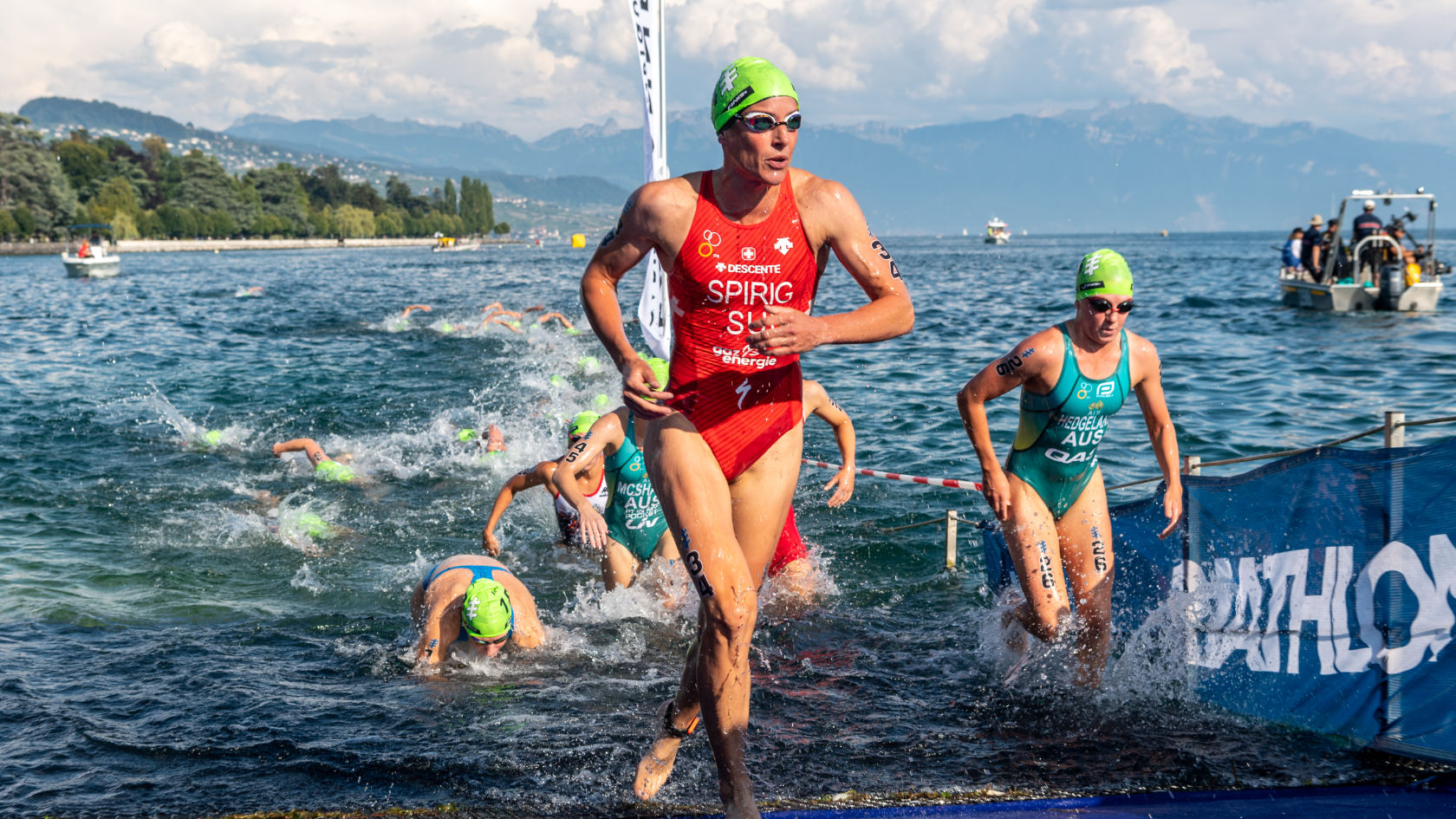
- Participated in five Summer Olympics: 2004 in Athens, 2008 in Beijing, 2012 in London (gold), 2016 in Rio de Janeiro (silver) and 2021 in Tokyo (6th place)
- Multiple European Triathlon Champion (European Triathlon Union)
- Established the Nicola Spirig Foundation to promote physical activity and youth sports
- Launched the children’s triathlon series “Kids Triathlon by Nicola Spirig” in various Swiss cities
- Retired from elite sports in 2022 after competing internationally for more than two decades
- Since then, has been active as a speaker, mentor and entrepreneur in the fields of sports, motivation and youth development
How has your definition of success changed over the course of your career?
Nicola Spirig: Today, I’m especially proud of the periods when I made my way back to the top of the world after setbacks – such as after injuries or after the birth of my children. For me, success means realizing my full potential over the long term, even under difficult conditions.
What have you learned from defeats and setbacks?
Nicola Spirig: At the start of my athletic career, I was very afraid of making mistakes and losing. But if you want to be among the world’s best, you have to take risks and try new approaches. That inevitably leads to mistakes. Today, I see defeats as opportunities: you learn from them and come back stronger.
Are there any ways of thinking or behaving from elite sports that you consciously apply to other areas of your life?
Nicola Spirig: Quite a few. Sports have been the best school of life for me. I even benefited from this during my final exams in law school. The situation was similar to that before an important competition: high pressure and only one chance. I knew how to handle the situation. Even today, I try to be fully present in everything I do and to concentrate entirely on the task at hand – whether it’s a project, a presentation or time with my family. I see challenges as opportunities for personal growth.
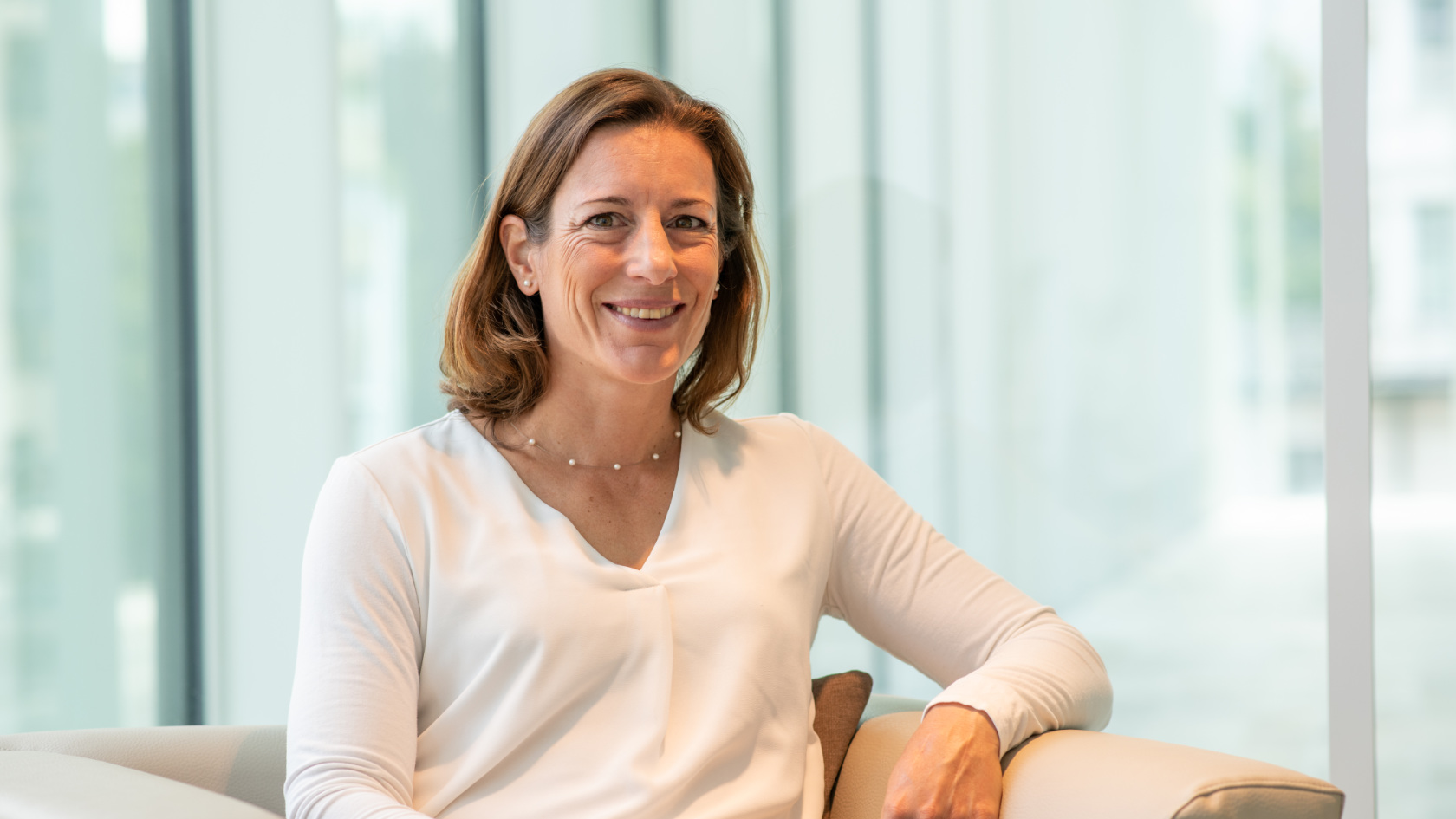
The transition from elite sports to everyday professional life is often difficult. What were the biggest challenges for you?
Nicola Spirig: For many athletes, this step is difficult because they have to leave their great passion behind and build a new life. I had the advantage of having already established other projects during my career – my foundation, the children’s triathlon series, which now spans eleven locations, and, later, the On Athlete Compass. which provides holistic support of all athletes sponsored internationally by On. When I retired, I was already a mother of three and well-established in various roles. I was also fortunate to be able to decide when to retire – many athletes have to end their careers due to injury or because they are no longer performing at a sufficiently high level. All of this made the transition easier for me.
What advice would you give to active athletes for a successful career after sports?
Nicola Spirig: It’s crucial to pursue other interests even while you’re still competing. Some people think that distracts from sports. For me, it was the opposite: it helped me appreciate sports even more. At the same time, I was able to prepare for my post-athletic career. Self-reflection and a strong network – which opens doors later on – are also important.
Today, you frequently deliver keynote speeches. What topics particularly resonate with your audience?
Nicola Spirig: The feedback varies. In my talks, I highlight what it takes to remain among the world’s best for many years: long-term planning, dealing with defeat, focus in training and the importance of the team. Although triathlon is an individual sport, my support network played a crucial role in my success.
You are deeply committed to promoting sports among children. What vision drives you in this work?
Nicola Spirig: Sports are a great way to learn about life. Through my foundation and the Phoenix Kids Triathlon by Nicola Spirig, I want to give something back. Sports not only strengthen the body, but also teach important skills: working toward a goal, persevering through difficulties and believing in oneself. These experiences often stay with children their whole lives and can help them in many situations.
Are there moments during the kids’ triathlon that have particularly touched you?
Nicola Spirig: The events are deliberately designed to be fun. I especially enjoy watching the youngest participants with their little bikes and swim aids. Some children run across the finish line together, while others sprint with determination. It’s incredibly beautiful to witness these emotions. We’re even starting to see former participants celebrating Olympic medals, such as Nadia Kälin, who won medals in cross-country skiing at the 2026 Olympic Games in Milano Cortina.
What is needed to ensure that Switzerland will have even more successful elite athletes in the future?
Nicola Spirig: Flexible structures are crucial for enabling young people to combine sports with their education. Much has already improved in this area in recent years, for example through more flexible study programs and apprenticeships. Nevertheless, there is still room for improvement.
Are other countries, such as the U.S. or Germany, better positioned in elite sports?
Nicola Spirig: Switzerland is small and operates differently from larger countries. In the U.S., college sports play a huge role. At the same time, Swiss athletes often develop a special drive because they had to learn early on to assert themselves and find solutions on their own.
If you could give young people at UZH one key message – what would it be?
Nicola Spirig: Enjoy your time as a student. Looking back today, it was a wonderful and formative period. And: Don’t view mistakes and setbacks solely as negative experiences. They often offer a chance to learn from them, to become stronger and discover new paths.