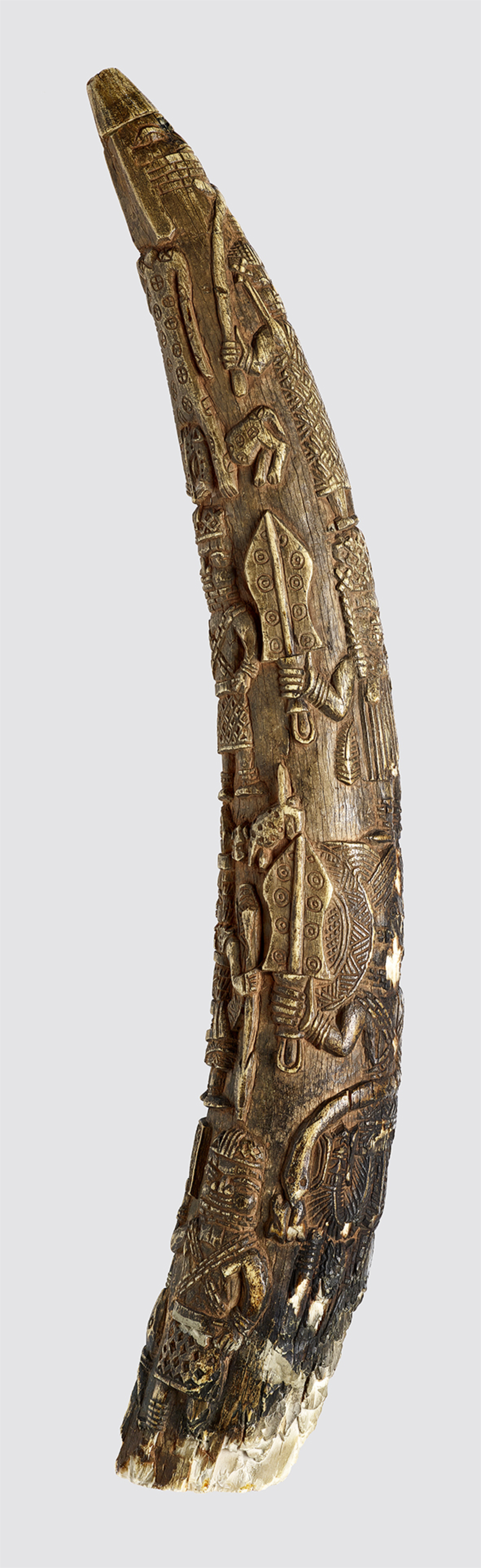
UZH Returns Benin Bronzes From Its Ethnographic Museum to Nigeria
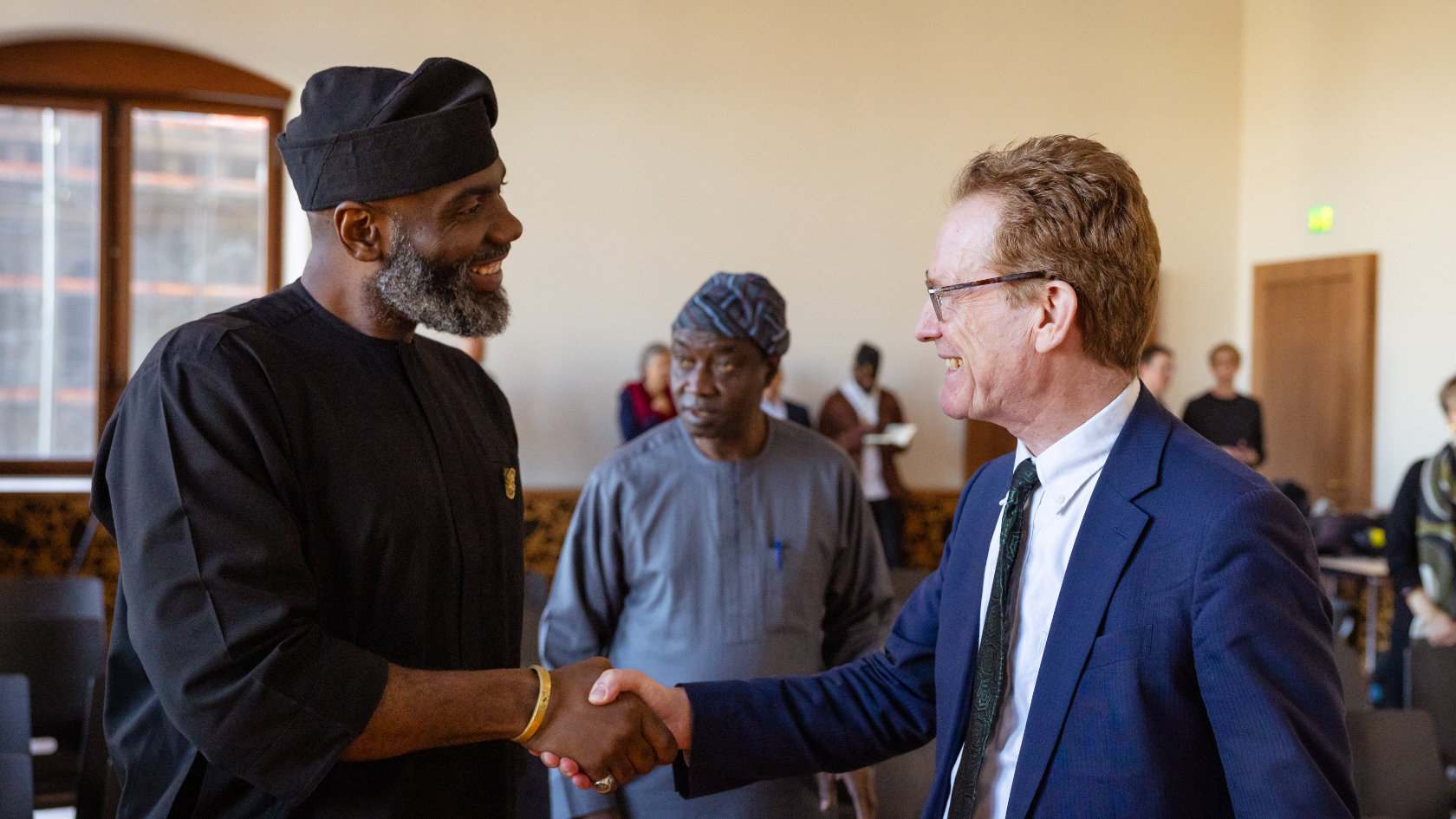
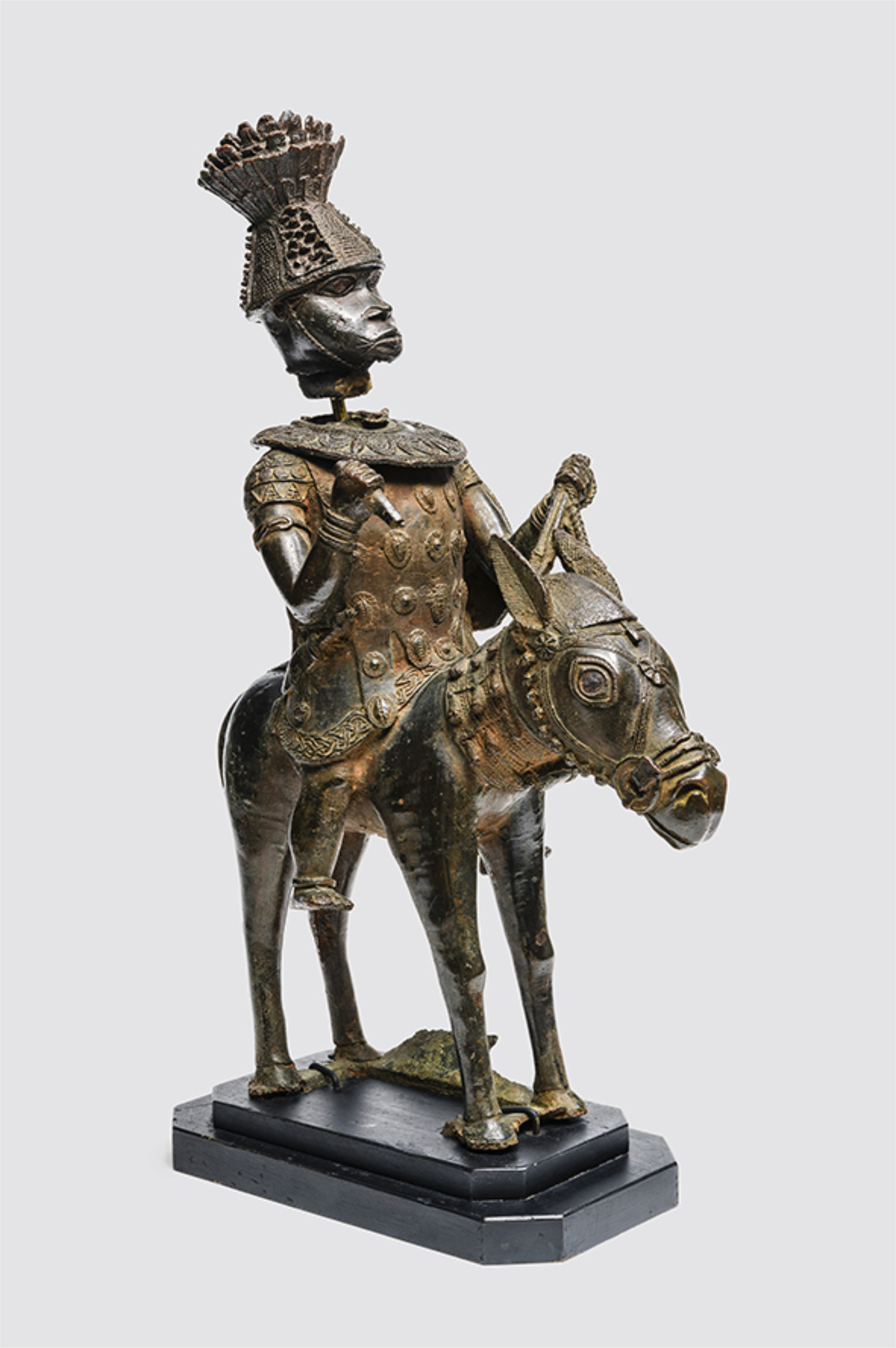
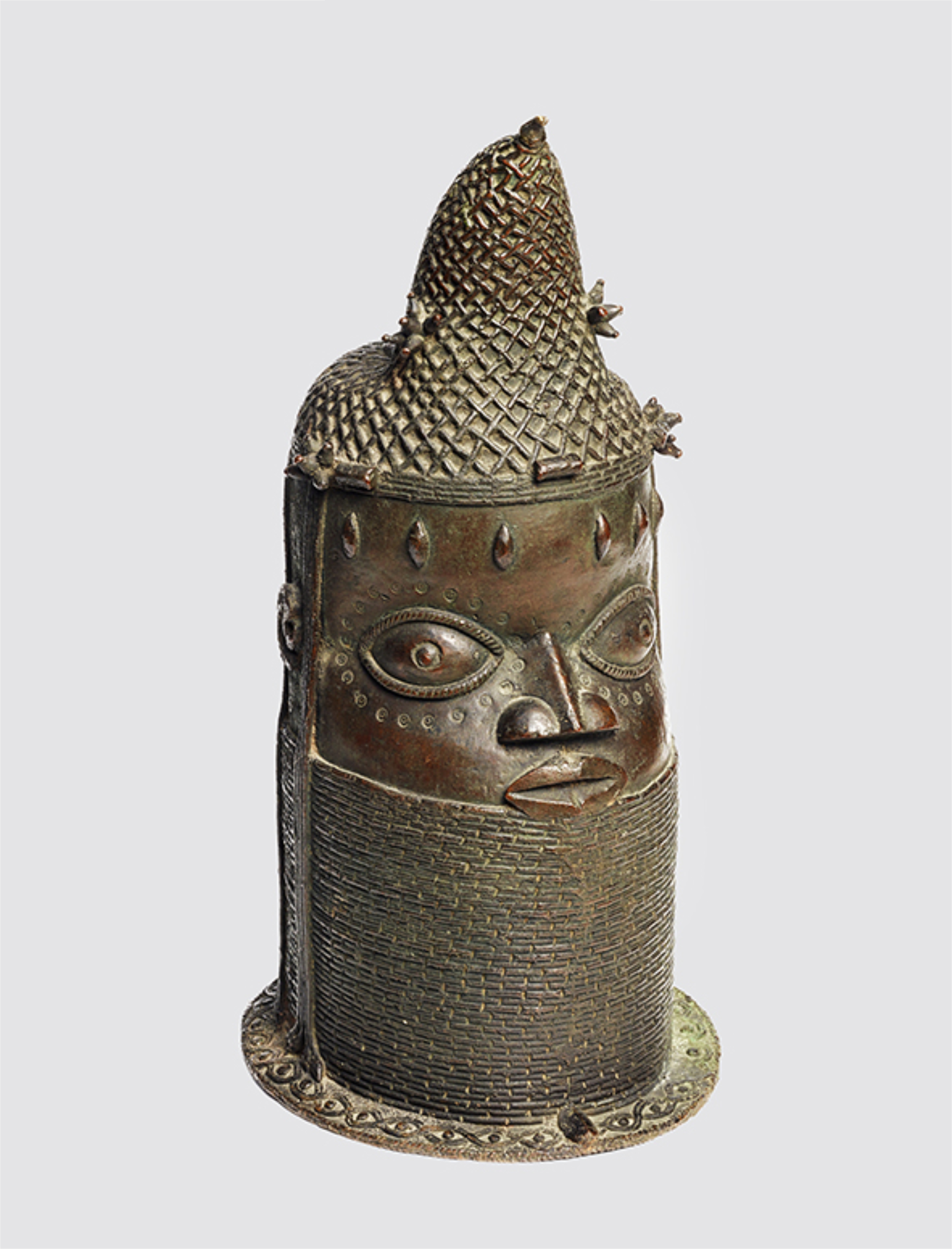
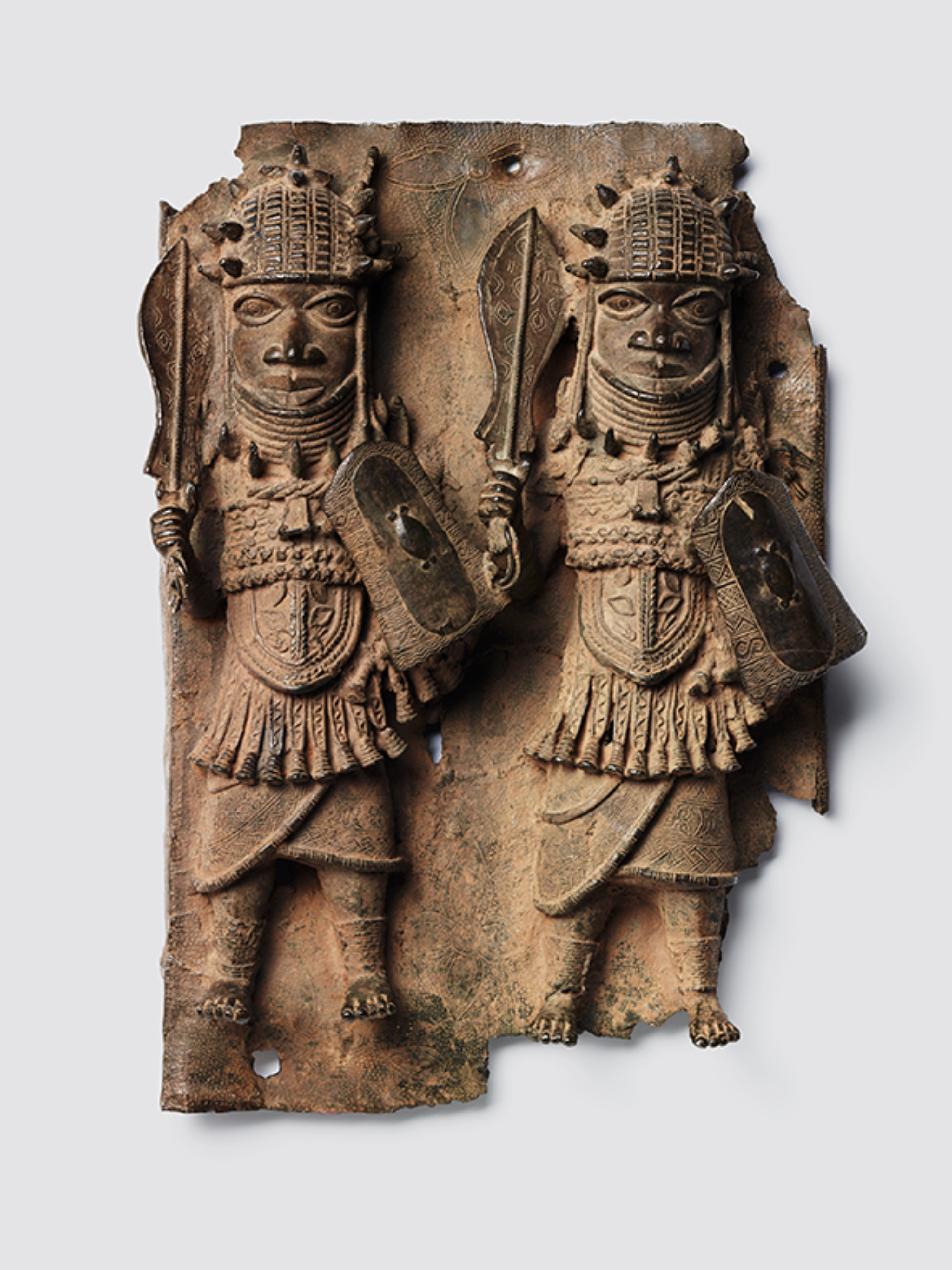
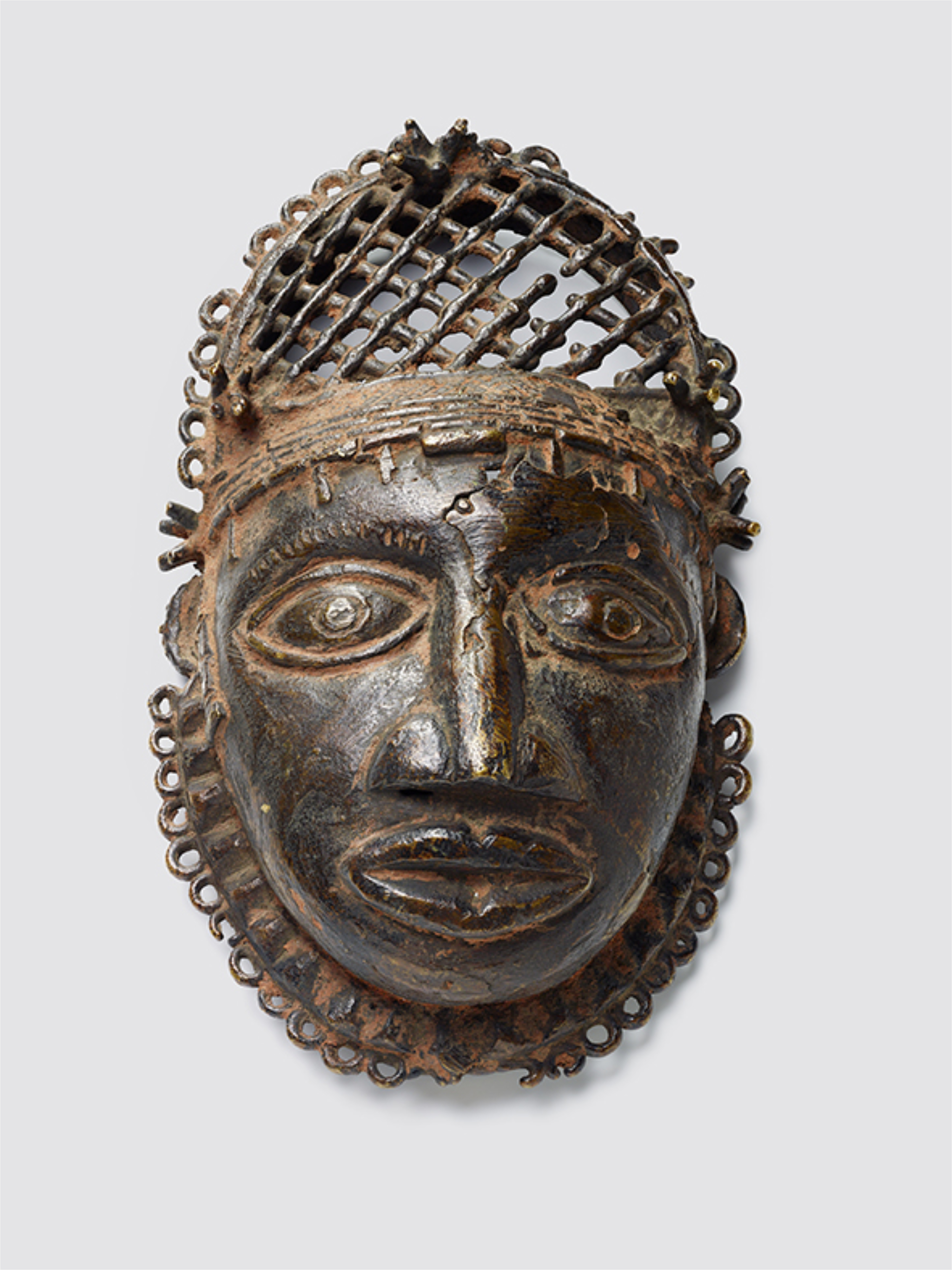
In March 2024, Nigeria’s National Commission for Museums and Monuments (NCMM) filed a formal restitution claim on behalf of the Nigerian government for 14 Benin artifacts held by the Ethnographic Museum at the University of Zurich (UZH). The University of Zurich has decided to honor this claim.
Responsible approach to objects with a colonial past
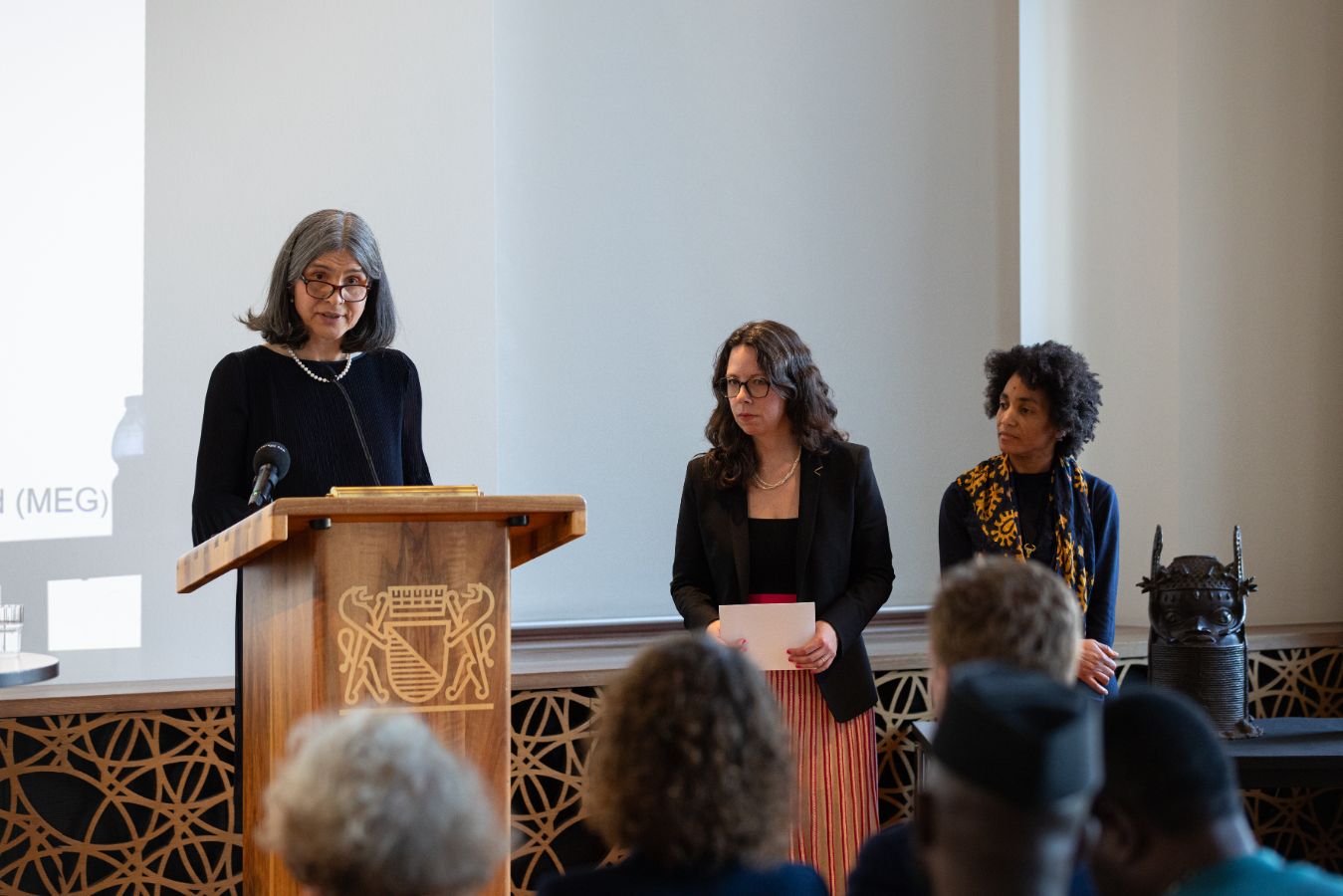
“As a university, we want to critically engage with the origin of cultural property in our collections, and deal with it in a responsible way,” says Elisabeth Stark, Vice President Research at UZH. “The provenance research on the Benin Bronzes conducted at the Ethnographic Museum revealed that the majority of these objects had very likely been looted before we came to acquire them. This is why we are handing them back.”
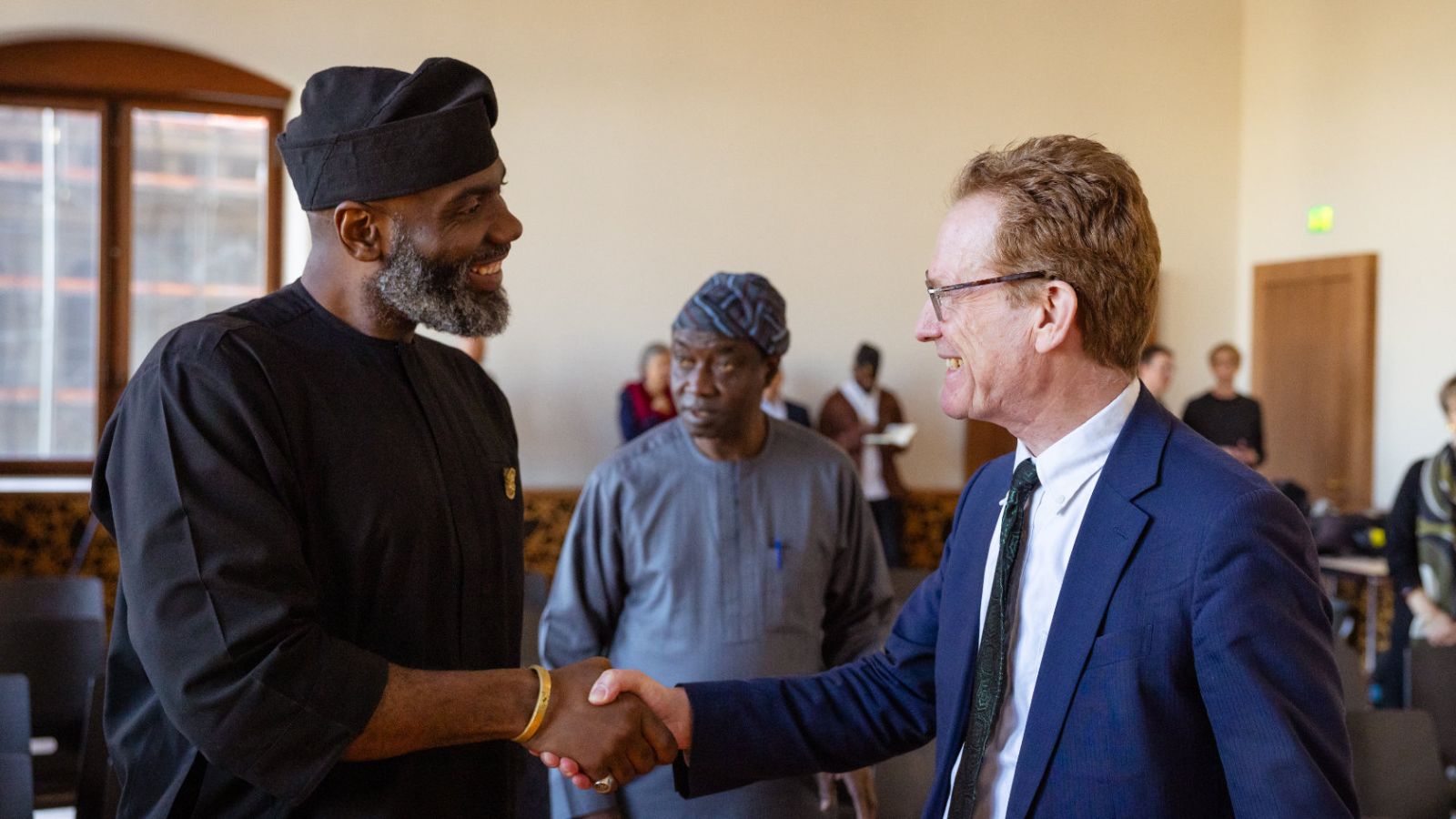
To this day, the artifacts in question hold great cultural and spiritual value to the people of Nigeria. NCMM Director General Olugbile Holloway welcomes the decision: “The restitution will go a long way to heal certain aspects of our colonial past. I have no doubt that the Benin Royal Palace, the people of Benin, and all Nigerians truly appreciate the symbolism of this significant return.”
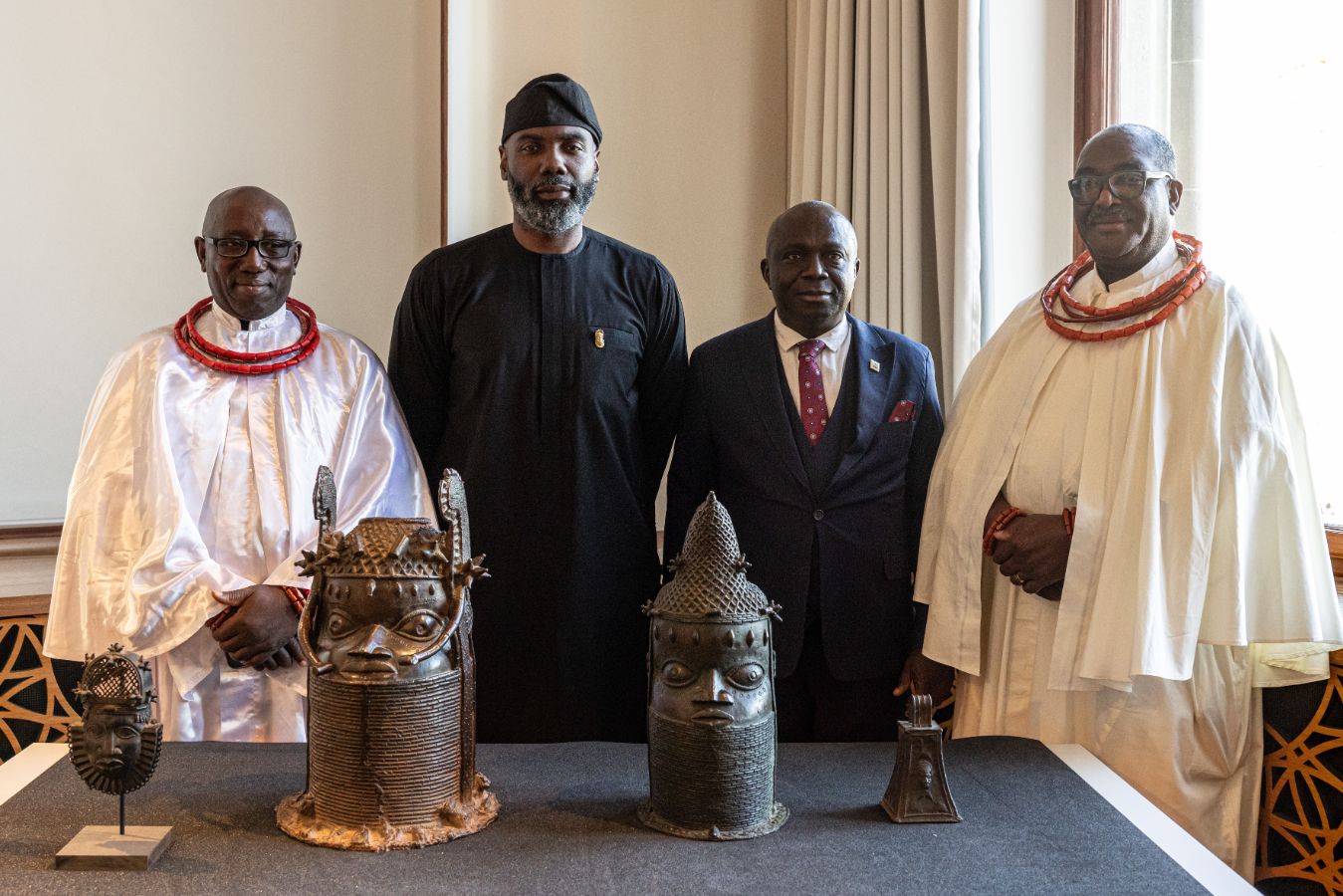
The Benin artifacts, which were on display as part of the Benin Dues exhibition at UZH’s Ethnographic Museum until 8 March 2026, are currently undergoing comprehensive digitalization. Fourteen of the objects will be transferred to the Nigerian National Museum in Lagos this summer, where they will be handed over to the NCMM, on behalf of the Federal Republic of Nigeria.
-
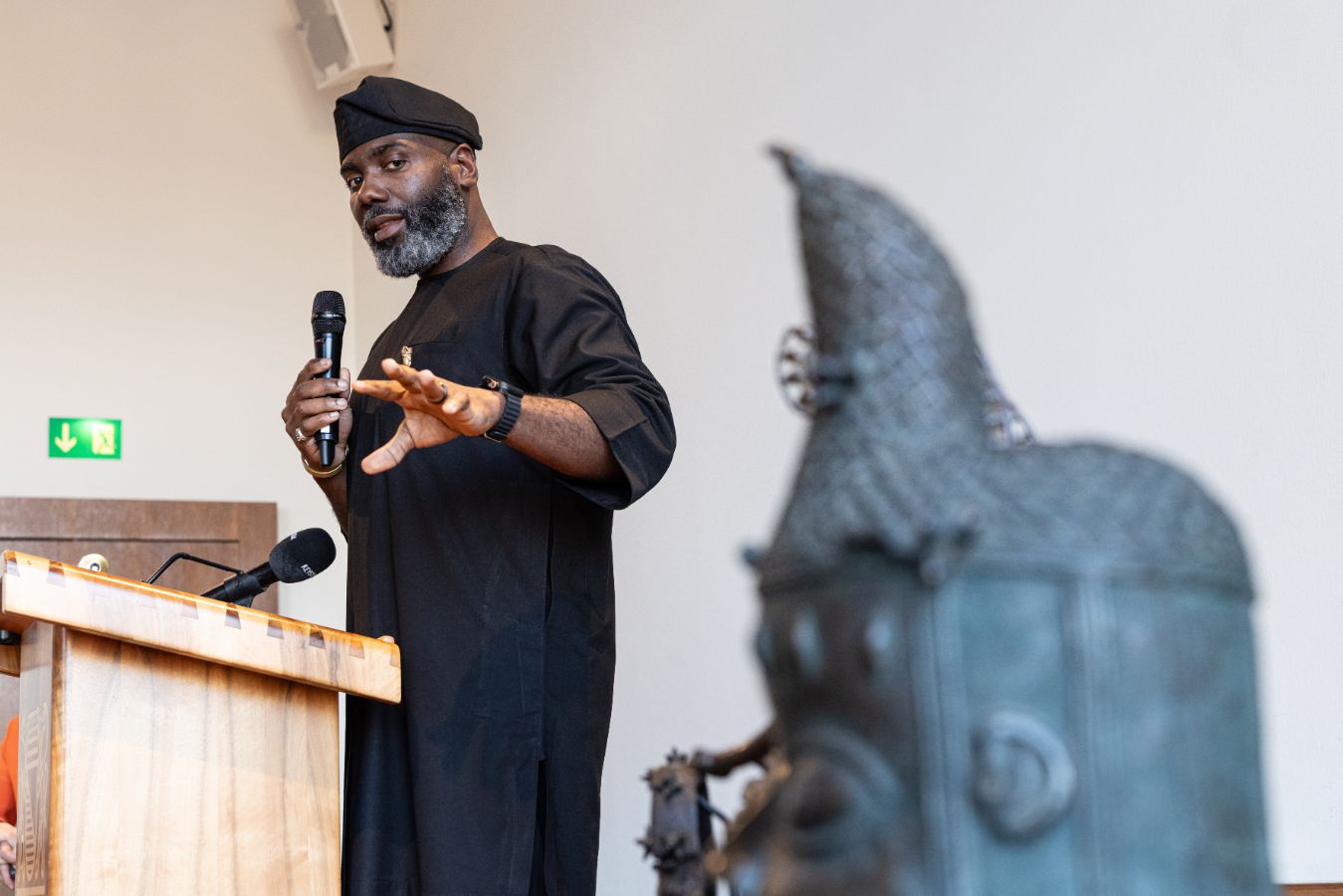
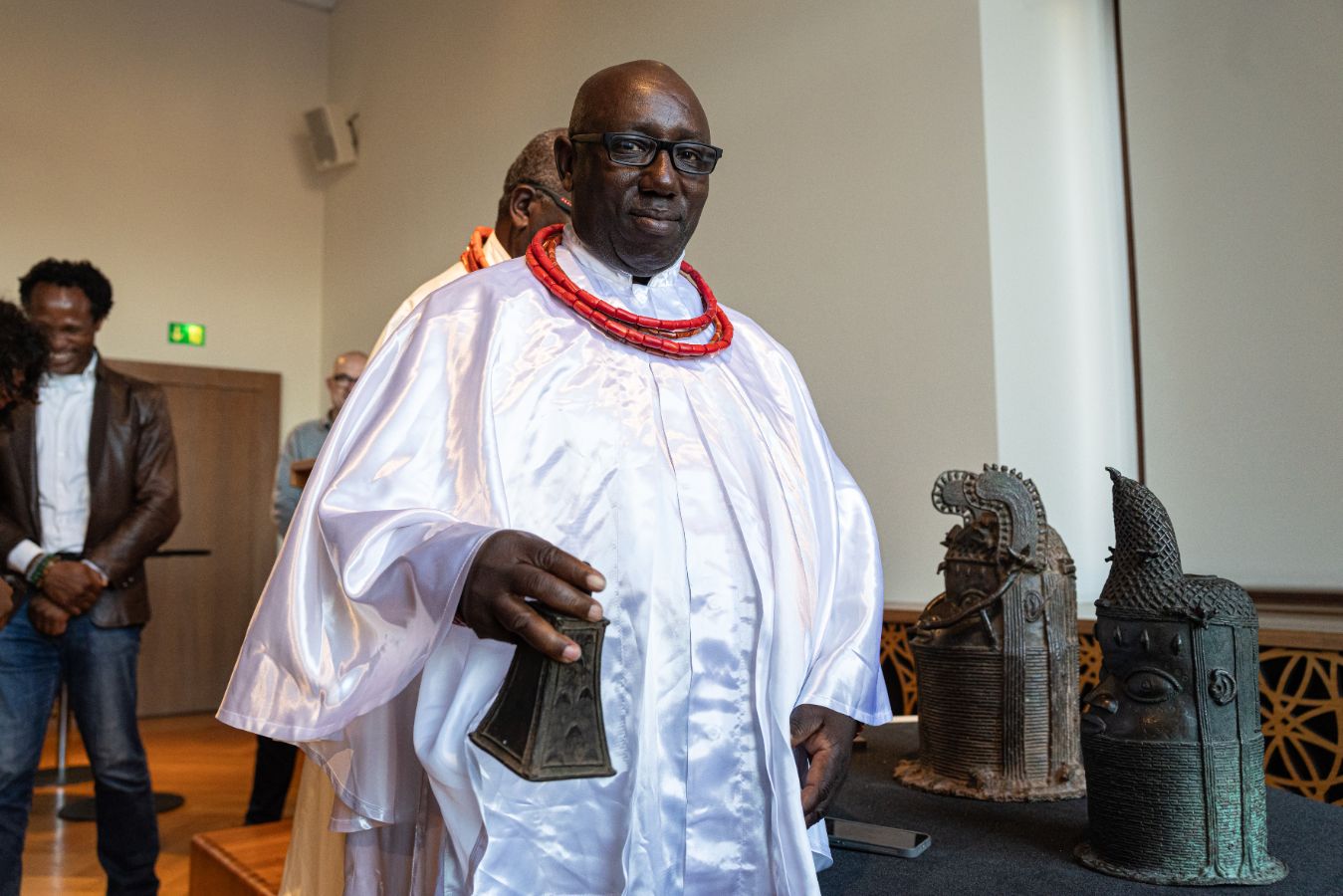
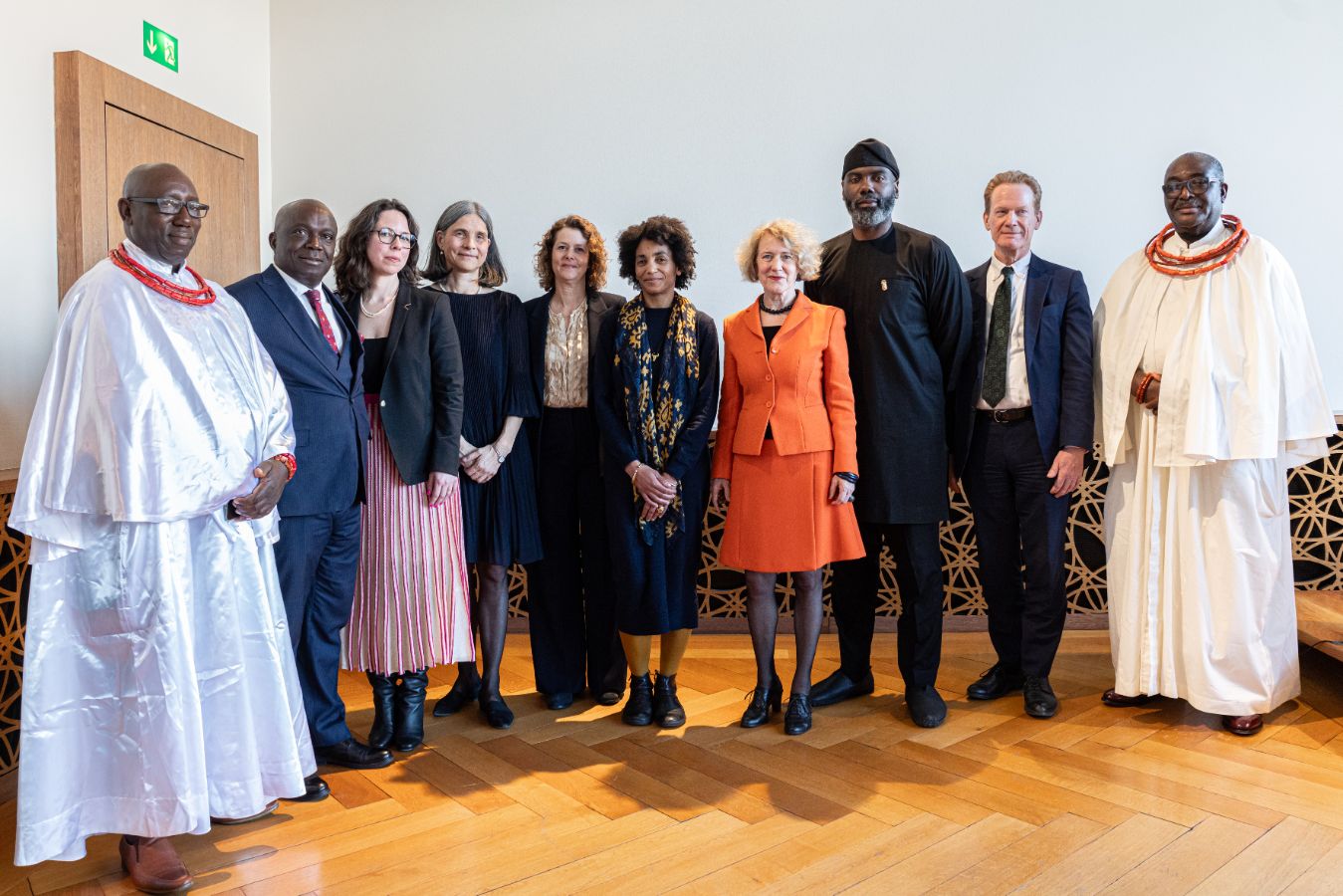
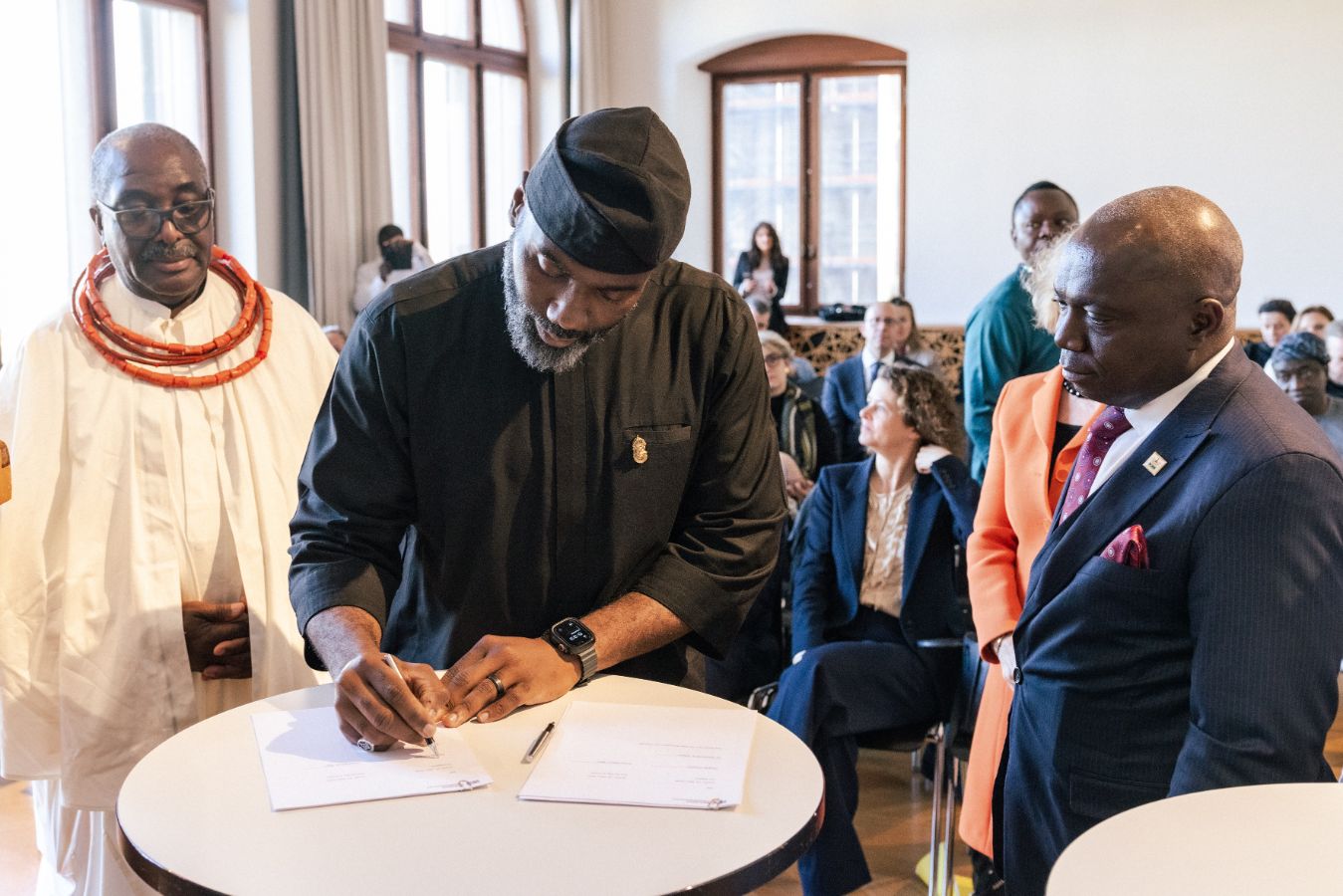
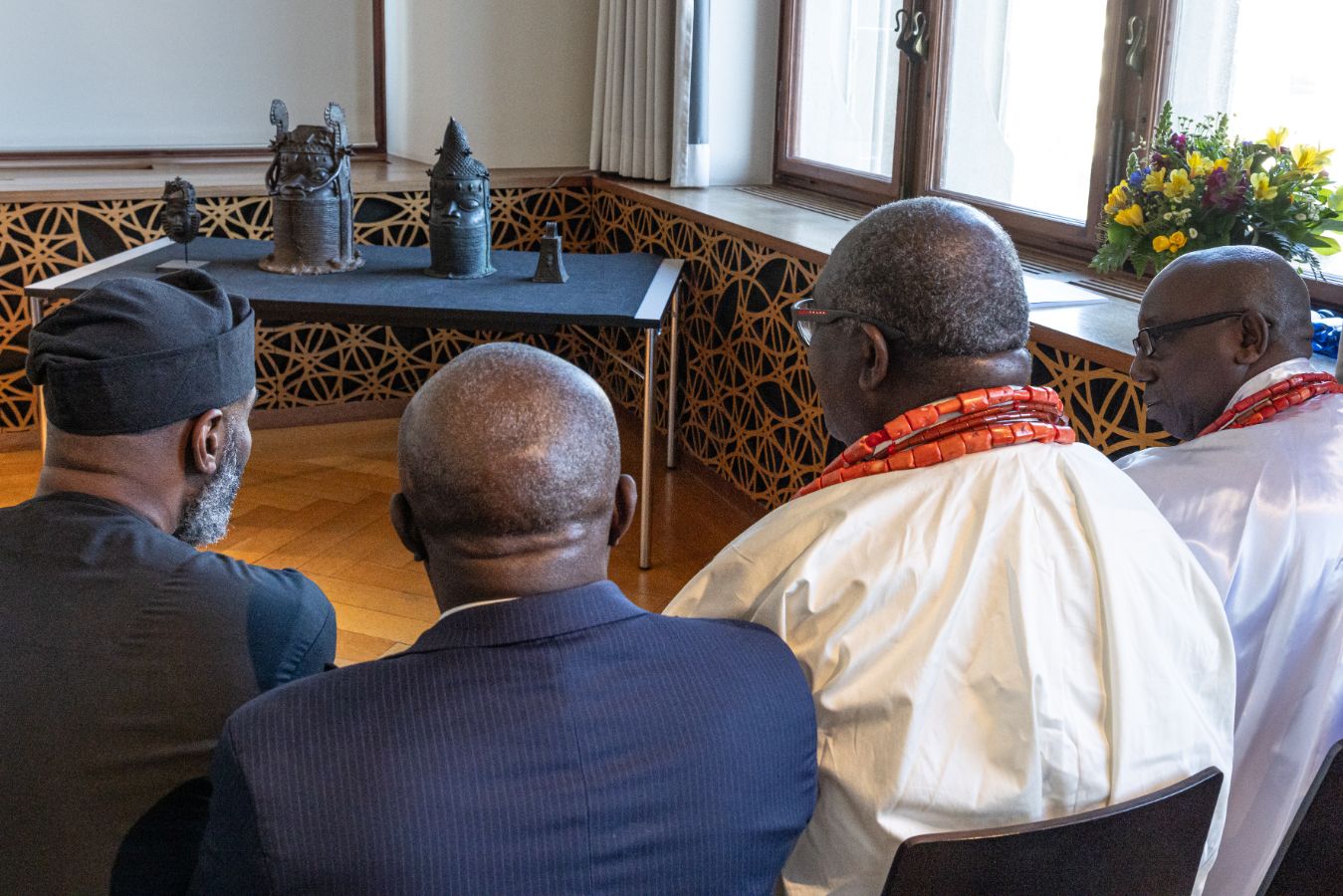 Signing ceremony in the Zurich City Hall on 20 March 2026. (All images: Museum Rietberg, Matthias Willi)
 -
-
-
-
-
-
-
Joint restitution with Museum Rietberg and the Musée d’ethnographie de Genève
Significant restitutions of Benin artefacts have been carried out in recent years. In 2022, German museums restituted some 1,100 artifacts to Nigeria, and last year, the Netherlands returned 119 objects. Earlier this year, the University of Cambridge announced that it was transferring ownership of 116 artifacts to Nigeria.
Alongside the UZH Ethnographic Museum, Museum Rietberg and the Musée d’ethnographie de Genève (MEG) will also restitute looted works from the Kingdom of Benin to Nigeria. The directors of these three Swiss museums, Carine Ayélé Durand (MEG), Annette Bhagwati (Museum Rietberg) and Alice Hertzog (UZH Ethnographic Museum), have issued a joint statement:
“Through the Benin Initiative Switzerland, our museums have meticulously investigated the provenance of the works held from Benin, working in close cooperation with our partners in Nigeria. The results leave no doubt: a number of objects reached our collections through the international art market following the British attack on and looting of the Kingdom of Benin in 1897. Returning the Benin Bronzes to Nigeria makes it possible for the country to independently research, preserve and share its own history. We are responsible for this transfer of ownership as Swiss museums and institutions aware of our ethical responsibilities, actively seeking as we do a dialogue with the societies of origin. This represents a necessary stage in coming to terms with history and acts as a sign of respect, symbolizing international cooperation in action.”