UZH Research Co-Stars in TV Crime Drama
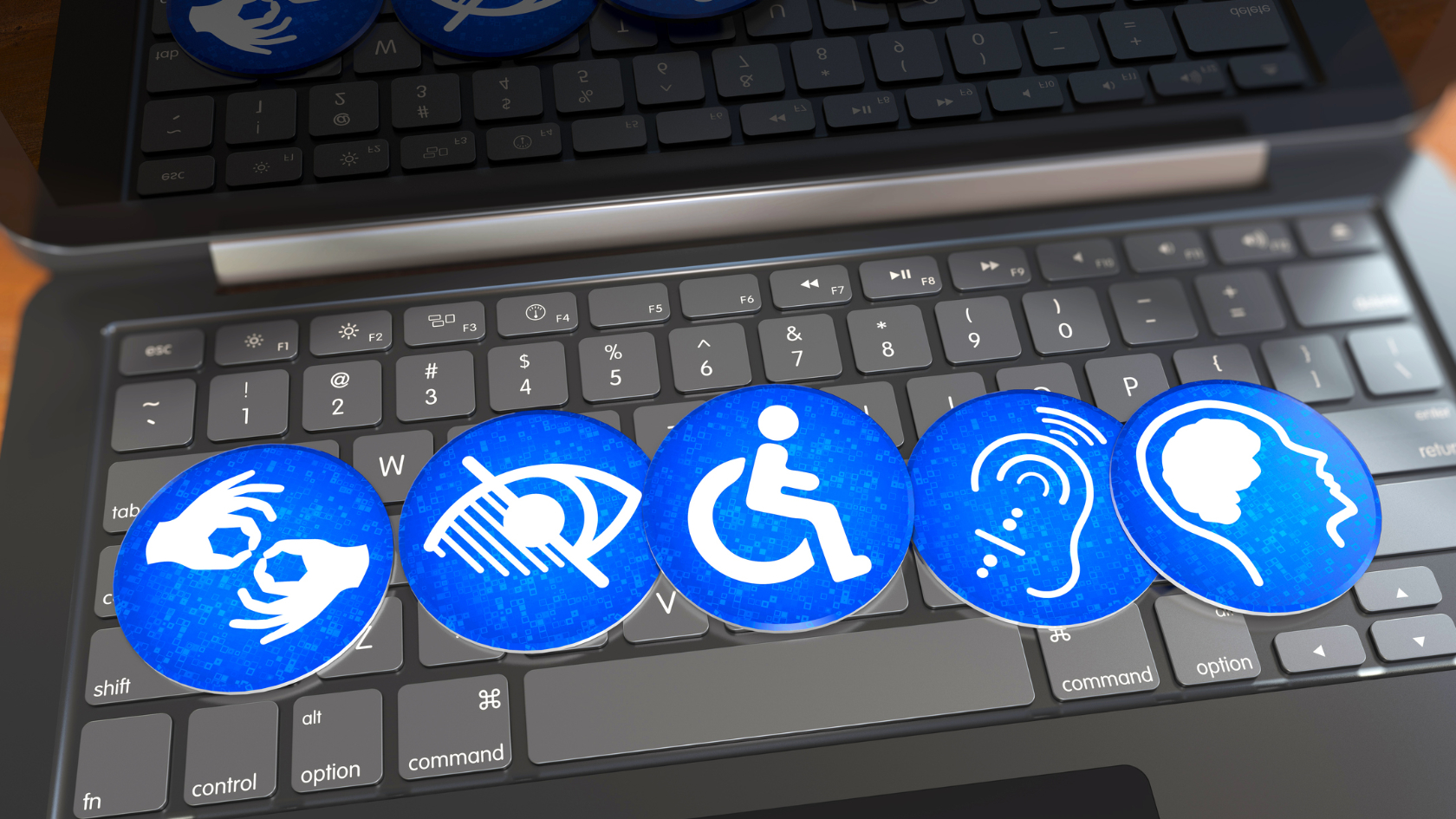
People with disabilities still face marginalization from mainstream society. There is room for improvement, particularly regarding access to information. Recognizing this, the federal government of Switzerland has been sponsoring a research project on language-based assistive technology since March 2022 with the help of Innosuisse, the Swiss agency for innovation promotion.
The objective of the project is to employ AI-generated automated language processing to make more and better content available to people with visual, auditory or cognitive impairments. These technologies are to be utilized in an array of social arenas such as television, the live lecture setting and in sign language acquisition.
The four-year transdisciplinary flagship project is endowed with a budget of CHF 12 million and is led by Sarah Ebling, a professor in the Department of Computational Linguistics at the University of Zurich. Researchers from six institutions including UZH, the Zurich University of Applied Sciences and the University of Teacher Education in Special Needs are involved in the project. Six implementation partners including the Swiss public broadcaster SRG, a number of federal agencies, the Swiss Federation of the Deaf, and the Zurich Insurance Group are also on board.
Better subtitles and alert messages
All those involved in the project have a common goal: they want to improve their computer-assisted technologies to give people with disabilities barrier-free access to information and services available to the public. The Federal Office for Civil Protection, for example, wants to reach people with cognitive impairments via push notifications composed in simplified language in the event of immediate hazardous situations.
SRG subsidiary SwissTXT, for instance, is refining audio descriptions of on-screen action for the visually impaired, for example for the popular “Tatort” detective series that airs every Sunday. And Swiss-French TV broadcaster RTS is currently running a trial of making weather reports accessible to the deaf via automated sign language.
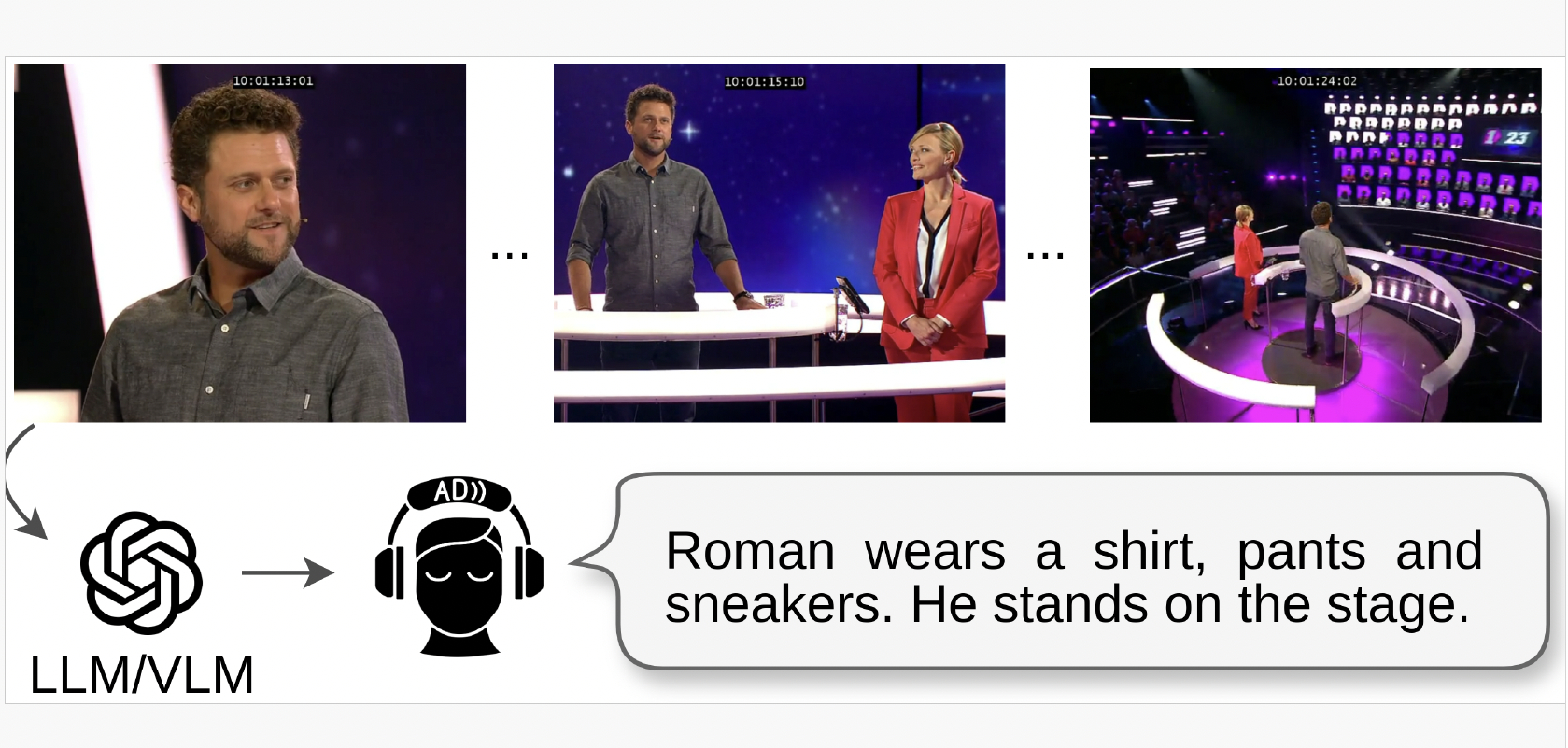
The researchers involved in the project continually improve the computerized processing that generates simplified text, audio descriptions and sign language. The partners from the business community then test the technology and deliver feedback, creating a constant exchange of strategies, information and adaptations, which doesn’t always proceed smoothly.
Research and industry join forces
“The collaboration between research and industry was very challenging at times because differing expectations had to be reconciled foresightedly,” project head Sarah Ebling recalls. She smiles and radiates a little pride when she says, “But we did that surprisingly well, surely in part because we have been involved with some of the partners in other projects for years.”
There was also very close cooperation with disability organizations and disabled people themselves. Their feedback was systematically incorporated into the project. “It was also important to us that assistive technologies for the disabled be deployed only in areas where the provision of human assistance cannot be guaranteed, such as when a sign language interpreter is needed late at night, for example,” Ebling says.
Further development by partners in industry
The flagship project will conclude at the end of April this year. Its results will be presented to the public at an event open to all to be held in Bern on 20 January (see box). Afterwards, the implementation partners are to continue further developing the devised technologies on their own. At the same time, there are plans to conduct additional research projects in this subject area in order to address issues that are still unresolved, Ebling explains.
Flagship project closes with public event in Bern
A public briefing marking the completion of the Innosuisse flagship project Inclusive Information and Communication Technologies (IICT) will take place on Tuesday, 20 January 2026, in Bern from 1:00 p.m. to 6:00 p.m. It will focus on presenting specific applications that were developed in collaboration with the implementation partners. The demonstrations will be flanked by a lecture on the impact of AI on the development of assistive technologies and by talks on fundamental issues concerning disability policy and society.
One of the organizers of the event is the Swiss Alliance for Digital Inclusion (commonly known by its German acronym ADIS). UZH joined ADIS as of January 2026 as the first university to do so. The alliance of government agencies, businesses, associations, and educational and research institutions strives to advocate for a just and inclusive digital society.
Event program (in German)
She, too, is aware that much still needs to be done to achieve universal inclusiveness for people with disabilities. “My vision, for example, would be to have more courses and events at UZH interpreted in sign language. There’s still a lot of untapped potential here among students and staff,” the professor says with conviction.