“I just want a little bit of peace”
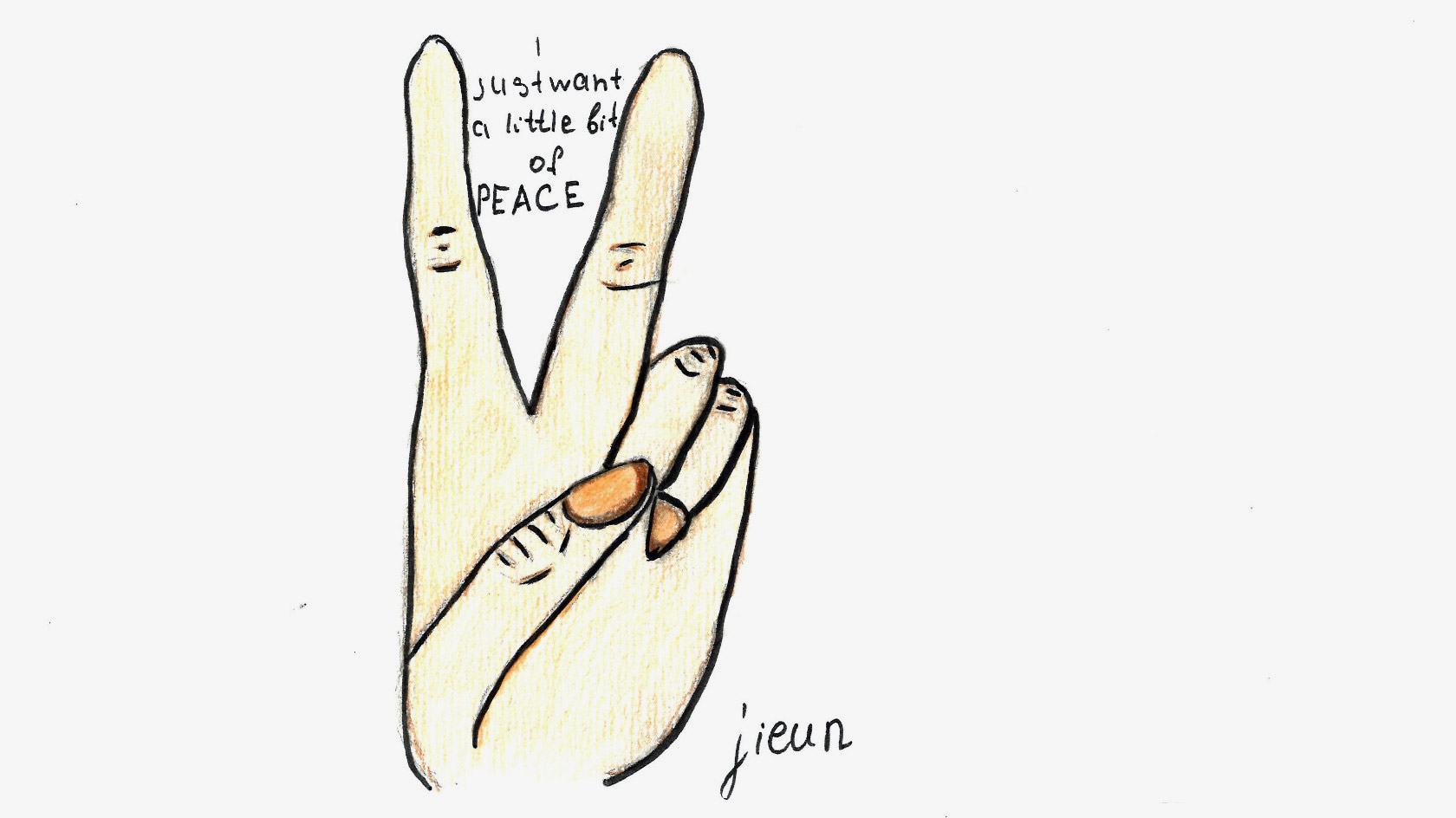
“Just because we can’t talk to each other doesn’t mean we can’t do things together,” says Artyom, an 11-year-old boy from Ukraine who fled to Switzerland with his mother in 2022 after Russia invaded his home country. “We just go and play soccer together.”
Artyom is one of 23 children aged 8 to 14 who provided information about their well-being for a study conducted by the Institute of Education at the University of Zurich. The researchers began talking to the children in the summer of 2022, just a few months after Russia first invaded Ukraine. In qualitative interviews, they asked them how they were doing in Switzerland, as well as how their relationships, belongings and living situations contributed to their well-being in their new home.
In 2025, two of the researchers – Anne Carolina Ramos and Andrea Riepl – published part of this study under the title Children's well-being in times of war: analyzing the importance of family through home, objects and relationships. They received the David Morgan Prize for their work that same year.
Artyom’s ability to adapt is not unusual, says Catrin Heite, professor of social pedagogy at UZH’s Institute of Education and leader of the Swiss National Science Foundation project WoKidS. The study found that, with few exceptions, the refugee children remained capable despite their traumatic experiences and actively tried to create a new home for themselves in Switzerland.
“These children have seen the violence of war and have been separated from their loved ones,” adds Andrea Riepl, a research assistant and doctoral student who works alongside Catrin Heite. “However, instead of sitting around dejectedly in their temporary accommodation, as one might imagine, they quickly began to play an active role in shaping their daily lives in Switzerland.”
Finding new friends
For the refugee children, it was important to make new friends quickly. In doing so, they demonstrated a great deal of resourcefulness. By going out and doing things with their peers, they were able to overcome their lack of language skills. For example, the younger children played together or did team sports, while the older ones wanted to get to know new acquaintances and spend time with them. “Doing things together creates strong bonds and a sense of belonging,” says Andrea Riepl. “Many of them also said that their new friends would sometimes help them at school when they didn’t understand something.”
With few exceptions, the study showed that the Ukrainian refugee children settled into life in German-speaking Switzerland well. “They tried to accept life as it was and adapt to it,” says Riepl.
Creating a home
Back in Ukraine, most of the children interviewed had their own bedroom and lived in larger apartments or houses with plenty of privacy. Meanwhile, in Switzerland, they tend to share a room with their mother and siblings. Some live with acquaintances or host families, while others are staying in shared accommodation. This means the children often lack privacy and experience cramped living conditions in Switzerland. Creating a safe space where they feel comfortable can make a significant difference to their well-being. For example, nine-year-old Elena quickly set up her own little private den under her bed. Lera came up with the idea of buying dolls at a flea market for a small amount of money, then placing them on her bed to make it feel more personal. This small investment in her well-being reflected the family’s financial constraints. “The children made the most of their options within the limits of what was possible,” says co-author Anne Carolina Ramos, who was a postdoctoral researcher at the time.
Dealing with loss
A major theme in the children’s stories were the losses they experienced when they fled Ukraine. A particular source of pain was leaving behind their fathers and grandparents, even in cases where they can contact them regularly via video call. They talked about deaths in their families, leaving their old homes behind, the belongings or pets they weren’t able to bring with them, and friends who had fled to another country. They were saddened by the fact that many of their loved ones are no longer part of their daily lives.
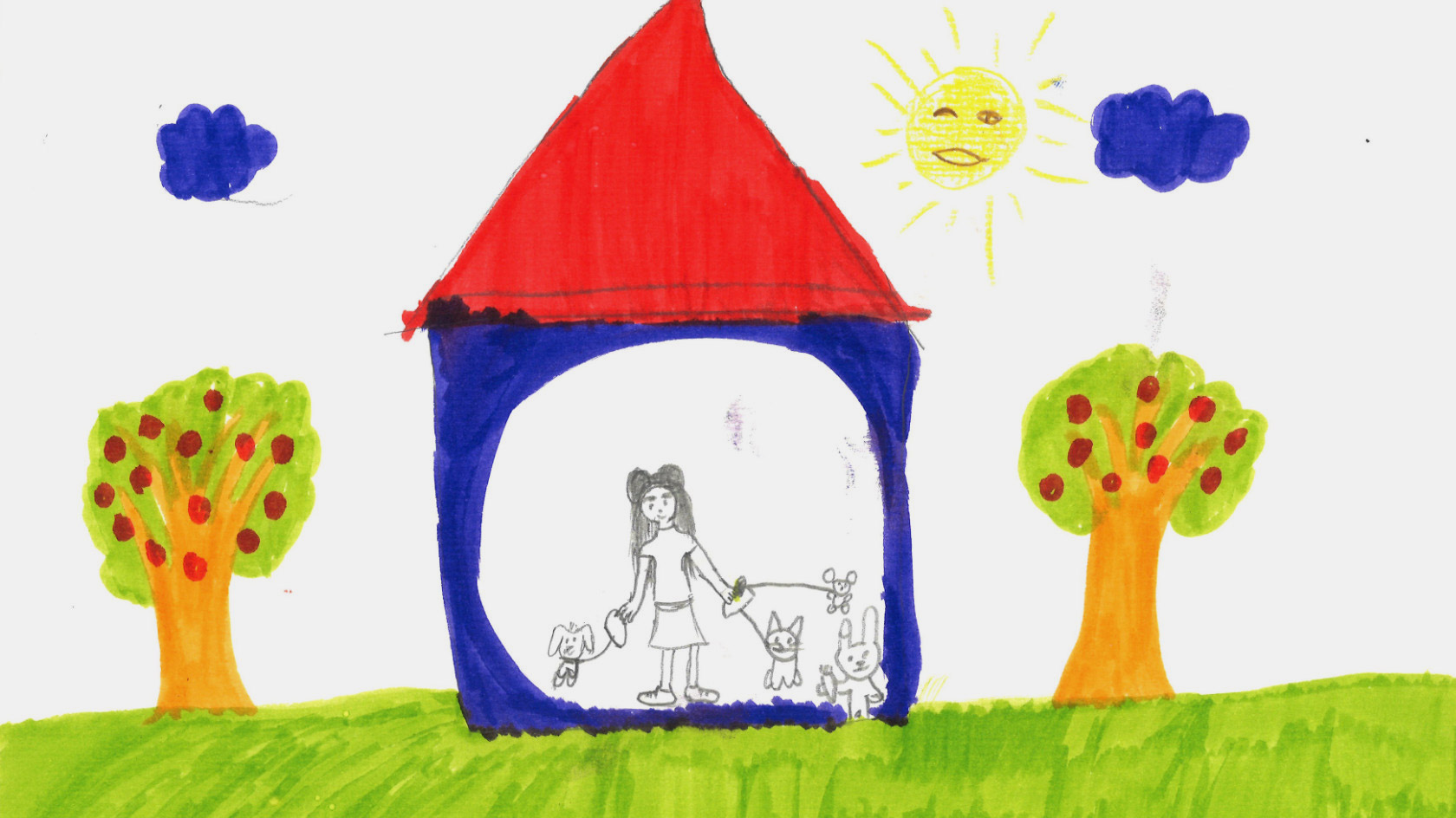
Most of the children use digital media to stay in touch. They talk to the relatives, acquaintances, friends, aunts, uncles and cousins they left behind via video call. “But not all children have the option to use technology to communicate, as some grandparents may be unable to use digital devices, while some fathers cannot maintain regular contact due to their military service,” says Ramos. “The children showed that they were able to take action under conditions that were and would remain stressful for them.”
Proximity and presence
Having their mother close to them is central to the children’s well-being, explains Anne Carolina Ramos. Knowing that their mother is present and being able to seek physical proximity to her gives them a sense of security, comfort and stability in love. The presence of their mother and siblings played a significant role in making the children feel at home in Switzerland.
At the same time, many children could also sense that their mother was distressed. Mothers, who were also trying to cope with the stresses of war, were not always able to act as havens of safety and comfort, nor could they reliably respond to their children’s concerns. For example, the children interviewed said things like, “Now I have to be there for my little brother or my little sister more often, and I support them,” explains Ramos. She has observed that the children are very caring toward one another and that some of them take on parental roles. They also play with their siblings more often than they did in Ukraine, partly out of a sense of duty towards them, but also due to the loss of their previous friendships.
A supportive environment
Catrin Heite explains that feeling welcome in their new environment and having people approach them with genuine interest helps support the refugee children in building a new life in Switzerland. The children have encountered many positive things and met people who were friendly to them and supported them in their new country – a teacher who encouraged them, a classmate who was there for them, or a coach who helped them enjoy a sport. “All of this is very important in making the children feel comfortable,” says Heite. Initial casual contacts can lead to friendships, which in turn help children learn the local language.
Belongings make a home a home
According to Riepl, belongings are an important part of ensuring children feel at home. These items give them a sense of normalcy in their new everyday reality and create a connection to both past experiences and their families, says Riepl. For example, nine-year-old Roman had to leave his favorite stuffed animal behind in Ukraine. During the qualitative interviews, he was overjoyed to report that an acquaintance would bring his teddy bear to Switzerland for him. Nika lost her backpack, which contained her most important stuffed animal, while fleeing to Switzerland – the source of a great deal of sadness for her. Meanwhile, 14-year-old Aline wears a bracelet belonging to her mother every day, which makes her feel connected to her Ukrainian family.
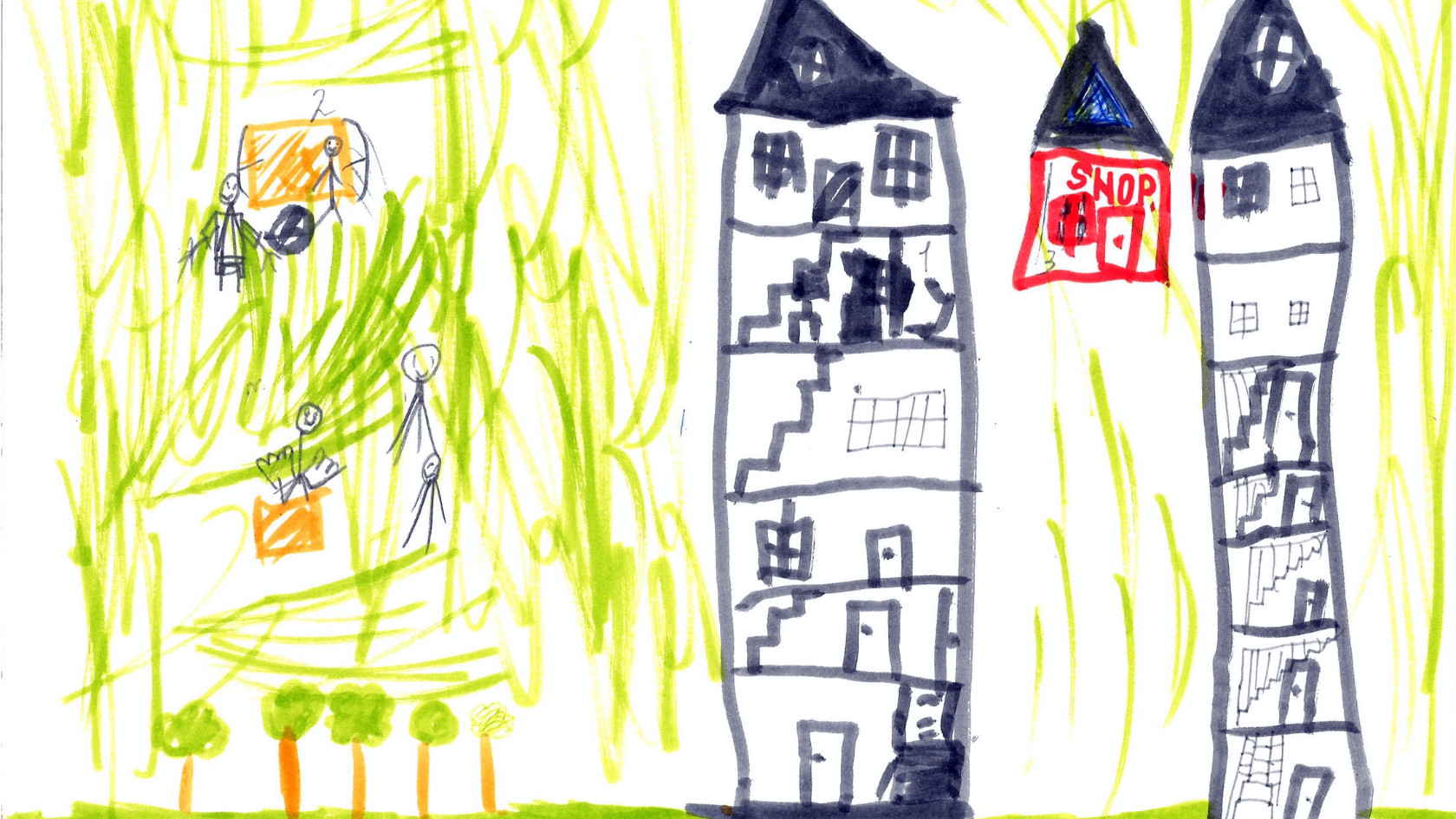
For younger children in particular, objects can seem as alive as people or animals; they talk to them and confide in them with their deepest secrets and worries. “However, the sense of well-being they provide isn’t static; it is fluid and can change rapidly,” says Riepl. New things can also become connected to a sense of home.
A challenging situation
In 2022, Ukrainian children in Switzerland found themselves in a challenging and complex situation, summarizes study leader Catrin Heite. On the one hand, they continued to receive protection and care, maintained social relationships, and made new connections, which gave them a sense of agency and autonomy. At the same time, however, they had to leave their loved ones behind in Ukraine; they missed them, wanted to be with them, and didn’t want to lose them. Despite this difficult situation, the children interviewed by the researchers generally felt welcome in Switzerland, says Heite. “They were able to navigate the process of home-making very well.”