UZH Creates New Fellowship Program for Postdocs

Thanks to a generous donation, the University of Zurich (UZH) was able to launch the Sylvia Isobel Willener Fellowship Program. It offers promising postdoctoral researchers a two-year research stay in Zurich.
Here are the first recipients of this funding instrument:
Stefano Bonciolini
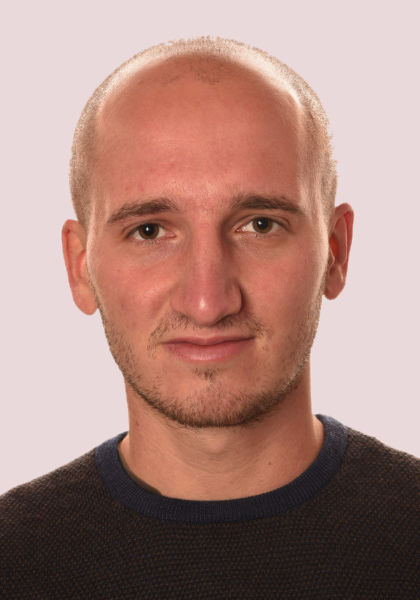
Research project:
SELECTive by Design: Programmable Desulfurative Editing of Multi-Site Cysteines in Chemical Protein Synthesis
Proteins perform essential functions in nature, and chemical methods can be used to introduce modifications that enhance their therapeutic potential. However, many current approaches remain imprecise or impractical.
By creating a programmable method to add new features to proteins, this project aims to accelerate the development of future therapeutic treatments.
Supervisor: Prof. Nina Hartrampf
Entity: Department of Chemistry
Miguel de Celis
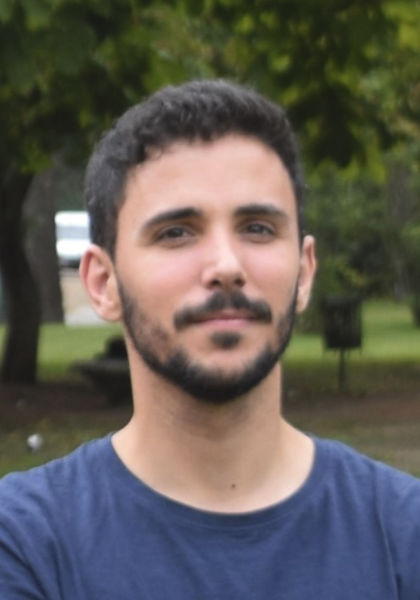
Research project:
Deciphering Plant–Microbiome Mechanisms for Crop Resilience under Warming - RhizoWarm
Climate warming is threatening crop production worldwide, and harnessing beneficial plant-microbe interactions offers a sustainable strategy to enhance productivity and resilience. The RhizoWarm project will study how rising temperatures alter plant-microbiome interactions by combining long-term field trials, greenhouse experiments simulating extreme temperature events, and predictive modelling, identifying strategies to harness soil microbiomes to improve crop resilience and support sustainable agriculture.
Supervisor: Prof. Marcel van der Heijden
Entity: Department of Plant and Microbial Biology
Maya Polovitskaya

Research project:
Cryo-EM and Electrophysiology Reveal Native VRAC Subunit Arrangement and Activation Mechanisms
Volume-regulated anion channels (VRACs) are molecular pores for chloride and small molecules found in all mammalian cells. VRACs consist of up to five different protein subunits, and their composition influences their selectivity, activation properties and regulation. Using cryogenic electron microscopy and electrophysiology, this project will characterize native VRAC assemblies relevant for their various functions such as regulation of insulin release or antiviral immunity.
Supervisor: Prof. Raimund Dutzler
Entity: Department of Biochemistry