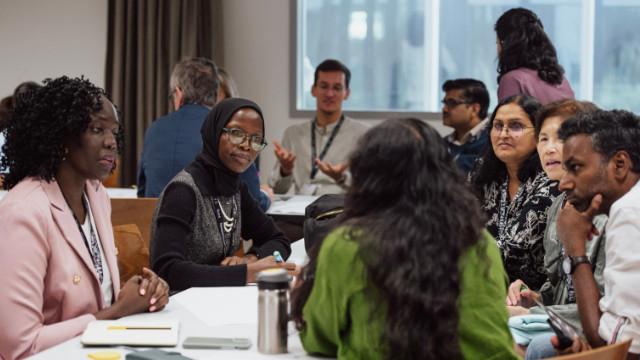
A multilateral workshop format explored how climate change affects human, animal and environmental health – across disciplinary and geographic boundaries.
At Innovation Park Zurich, researchers, companies and investors recently linked up to explore new business opportunities in outer space and what role Zurich could play in this emerging field.
Brain tumors are the most fatal form of cancer in children and adolescents. Ana Guerreiro Stücklin is investigating new therapies against gene fusions that cause cancer.
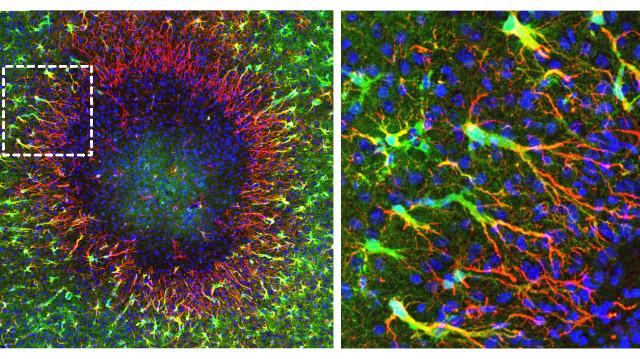
Brain Possesses Greater Self-Repair Capacity than Previously Assumed
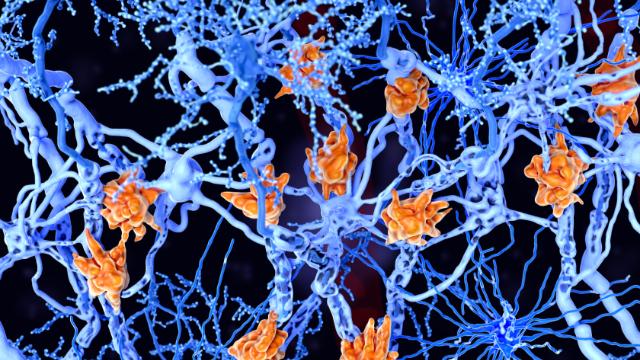
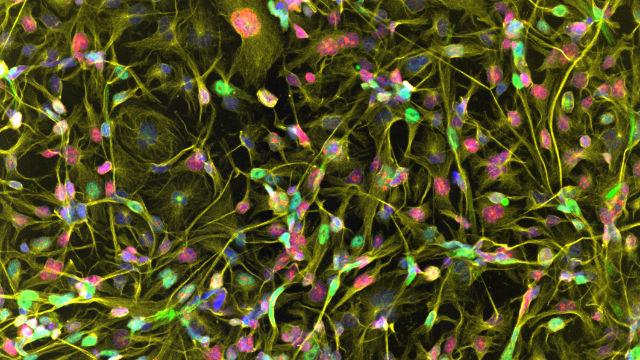
A new study using a mouse model shows that special supporting and nourishing cells repopulate damaged areas of the brain by sending newly formed cell nuclei ahead.
Psychologist Anna Graf support children and adolescents who are undergoing cancer treatment at the University Children’s Hospital. Her tools include toys, books and colorful glass beads.
Pediatric oncologist Jean-Pierre Bourquin is working to develop gentler therapies and seeking ways of tackling aggressive forms of blood cancer more effectively.
Kilian Käslin developed leukemia as a baby. The diagnosis marked the start of a months-long battle for his life that required his family and doctors to give their all.
Integrity proceedings conducted by the University of Zurich have found that Professor Adriano Aguzzi bears scientific responsibility for several publications affected by errors. However, no evidence of intentional misconduct or negligence was found. The case therefore does not amount to academic misconduct under the university’s Integrity Ordinance.
Today, many children with cancer can be treated successfully. A new Center of Competence in Research aims to make treatments even more targeted and effective. Read more in the UZH Magazin.
Epigenetic Drugs Could Protect Blood Vessels in Obesity and Diabetes
Researchers were able to use medication to alter the epigenetic “reading signals” in the thin layer of fat surrounding blood vessels, thereby reducing inflammation and improving vascular health.
Sleep Deprivation Leaves Detectable Traces in Saliva
A research team at the University of Zurich (UZH) has discovered biomarkers of sleep loss in saliva. Acute sleep deprivation can be detected using just a single saliva sample.
Raphael Morscher, of the University Children’s Hospital Zurich, received the award for his research examining the metabolism of cancer cells as a potential therapeutic approach for neuroblastoma.
Hereditary Epilepsy Successfully Treated in Mouse Model
Scientists used gene editing to fix faulty DNA directly in the brain cells of mice, which reduced fever-induced seizures and markedly improved survival rates in an animal model.
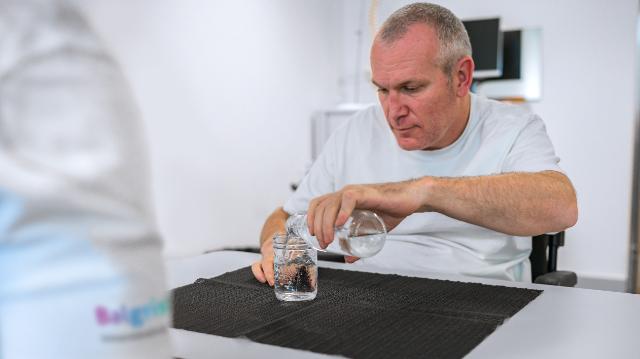
Antibody Spurs Nerve Fiber Regrowth Following Spinal Cord Injury
Scientists at UZH and Balgrist University Hospital reveal for the first time how the antibody therapy works: new nerve fibers were found to form functional connections once again.
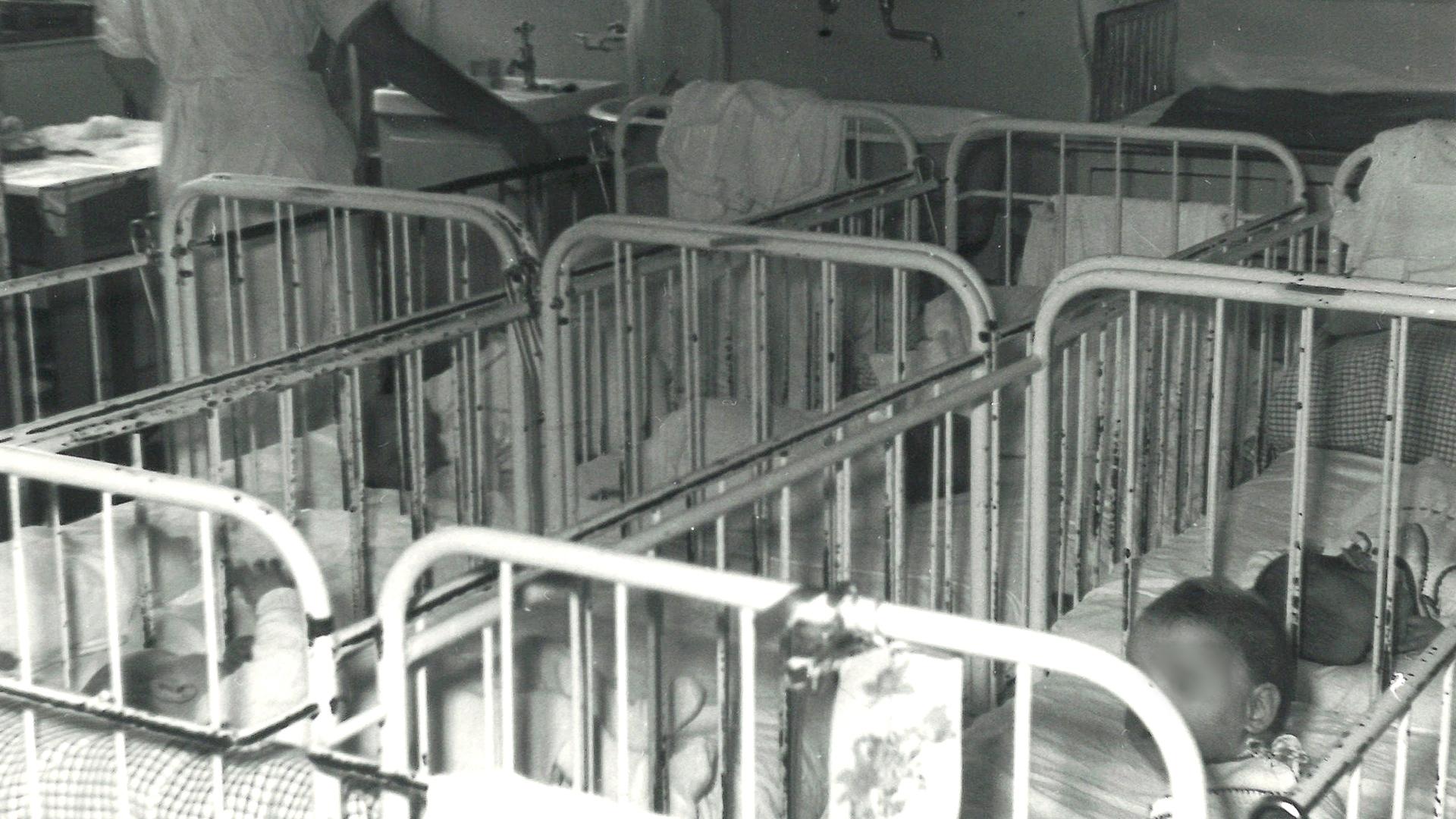
A study of infants who were raised in care institutions in the 1950s shows that the lack of affection in early childhood seriously affects a person throughout their life.
The Role of Gut Bacteria in Boosting Cancer Treatment
New research from Zurich shows that the gut microbiome may have an impact on cancer immunotherapy, giving patients who did not initially respond to treatment a second chance.
HPV Vaccination Uptake in Adults Shaped by Knowledge and Medical Advice
Approximately one in four adults in Switzerland has been vaccinated against the human papillomavirus. A study explores the key factors influencing vaccination uptake.
On school days, adolescents are chronically sleep-deprived. A new study reveals that a flexible starting time can improve their sleep quality, health and academic performance.
The University of Zurich has been chosen to host two new National Centers of Competence in Research, for childhood cancer diagnostics and treatment as well as muon research.
Our eating habits are often unhealthy and take a long time to change. Psychologist Sebastian Bürgler and nutrition scientist Sabine Rohrmann explore why that is and what we can do about it.
Researchers at UZH have been working on bio-engineered skin grafts for over 15 years, leading to the founding of spin-off Cutiss that produces living skin tissue from the patients’ own cells.
Genetic Risk Factor and Viral Infection Jointly Contribute to MS
In addition to an infection with the Epstein-Barr virus, certain gene variants are also partly responsible for triggering MS. Together, these two risk factors lead to the autoimmune disease.
How can we influence whether we develop Alzheimer’s disease? Researchers at UZH are examining the factors that trigger the onset of the disease – and those that shield us against it.
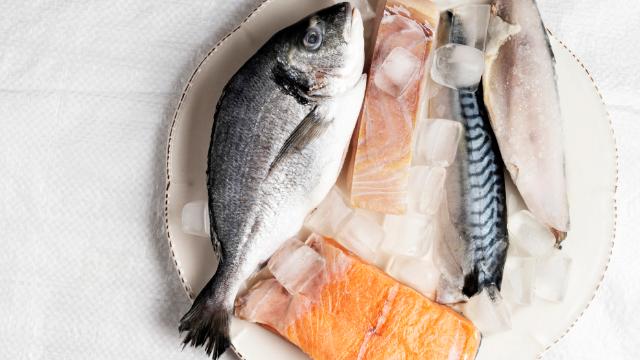
The modern world offers an abundance of convenience foods. But our Stone Age physiology isn’t built for modern diets, which are taking their toll on our bodies.