Environmental DNA Reveals Impact of Climate and Humans on Global River Fish Biodiversity
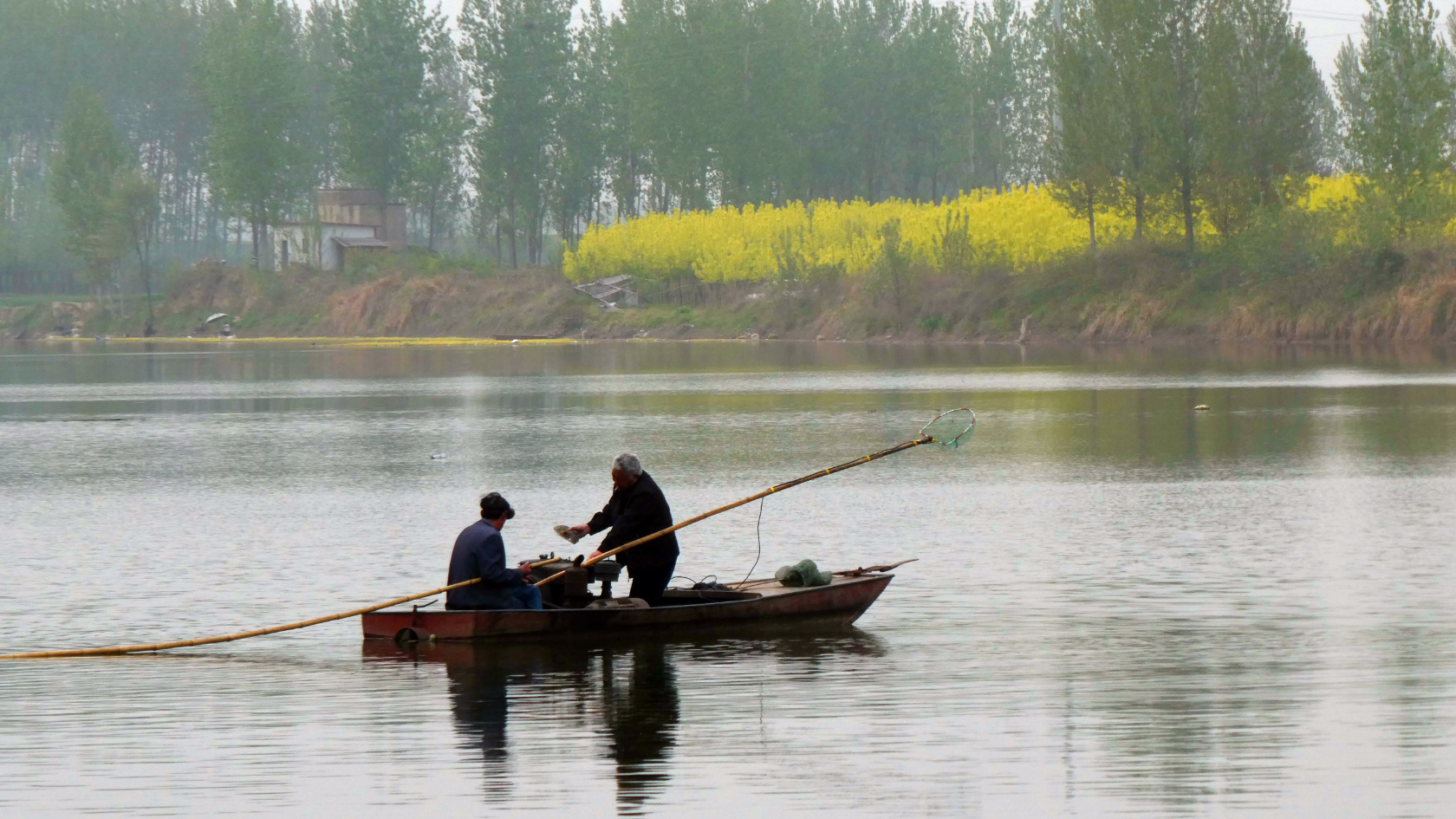
Biodiversity is under threat worldwide, as reflected in the declining number of species and the changing composition of ecological communities. Understanding the state of biodiversity and how it is changing is essential for effective environmental management and policymaking. However, biodiversity data are often difficult to obtain, especially in remote yet species-rich regions such as the tropics. Another problem is the pace at which the changes are occurring, with many ecosystems declining at a rate that exceeds the capacity of existing monitoring methods, both in terms of time and space.
Environmental DNA from 113 river systems worldwide
A new study now provides a comprehensive global analysis of fish biodiversity in rivers, revealing how human activity and the local climate influence biodiversity patterns in river ecosystems. Led by scientists from the University of Zurich (UZH) and Yunnan University in China, the study uses a novel, DNA-based approach for assessing biodiversity known as environmental DNA (eDNA) monitoring. As part of a global collaborative effort, the researchers combined eDNA data from 113 river systems across five continents, covering nearly 2,000 sampling sites.
“Protecting biodiversity depends on sufficient data to document the state of biodiversity and how it is changing. Our research shows how technological advances can directly contribute to the understanding of biodiversity across different dimensions,” says Yan Zhang, postdoctoral researcher and first author of the study.
Climate and human activity shape riverine biodiversity patterns
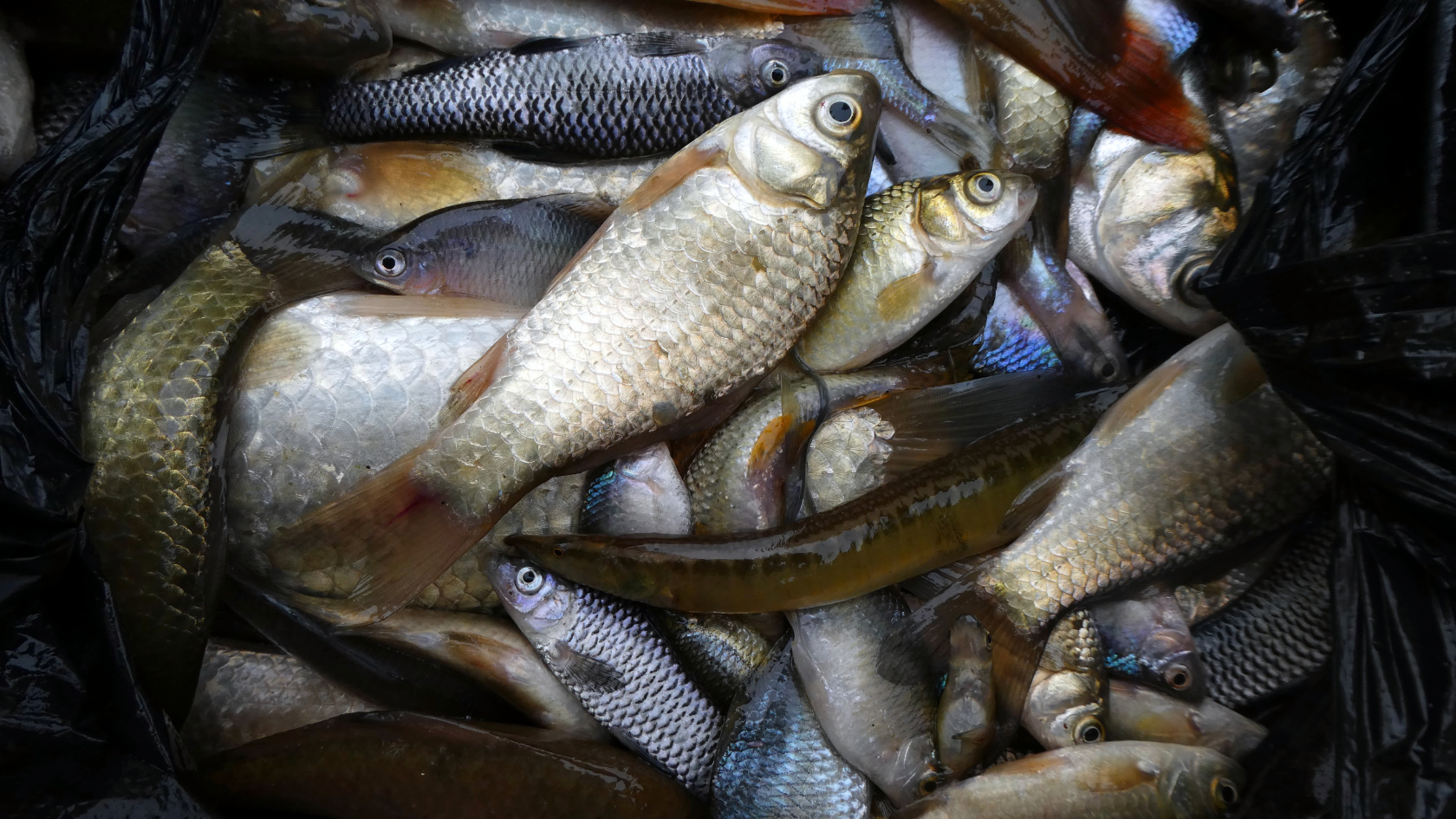
The study identified global patterns in riverine fish biodiversity, revealing that catchments in warmer climates consistently accumulated greater biodiversity as catchment size increased. This highlights the crucial role of climate in shaping biodiversity patterns. However, the researchers found that this positive relationship weakens in areas with higher levels of human activity. The findings suggest that human activity can alter large-scale biodiversity patterns by constraining fish biodiversity across river catchments. “We found that the effects of human activity varied across regions, highlighting the need for locally adapted protection measures,” says principal investigator Florian Altermatt, Professor of Aquatic Ecology at UZH and Eawag.
The researchers found that not only species richness, but also other measures of biodiversity, including functional diversity and genetic sequence diversity, showed stronger negative responses to human activity in larger river catchments. For example, phylogenetic diversity, which reflects the evolutionary relationships among species, was particularly affected by human activity, especially in smaller river catchments. “Our findings suggest that biodiversity responses to environmental gradients and human influence are complex and vary depending on the specific biodiversity aspect being measured,” Yan Zhang adds.
eDNA enables rapid, large-scale biodiversity monitoring
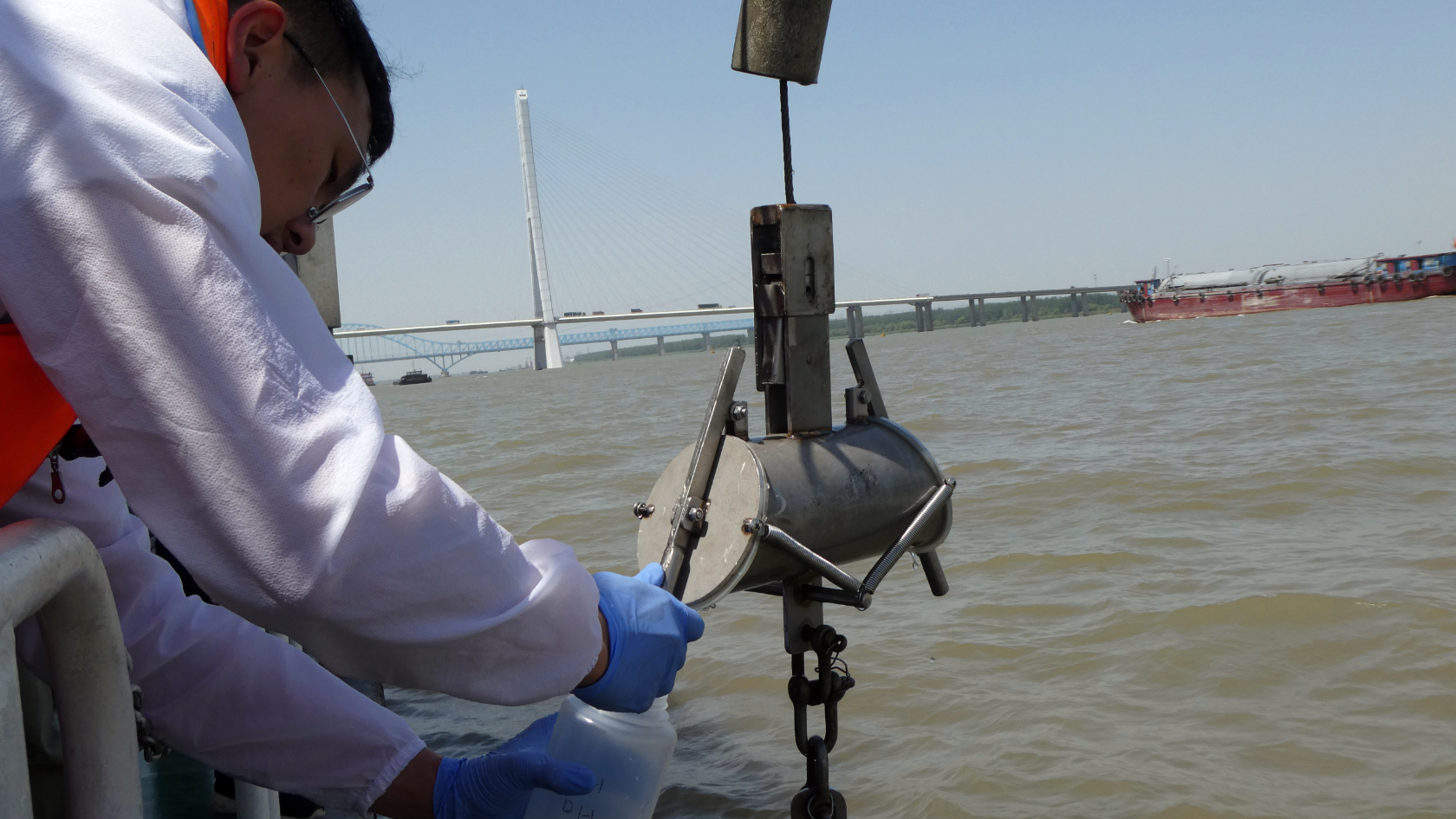
The study demonstrates the potential of eDNA as an effective tool for rapid, large-scale biodiversity monitoring. Unlike traditional methods involving gillnets or electrofishing, eDNA monitoring does not require fish to be actively captured. Instead, researchers extract DNA directly from water samples and sequence it to identify species-specific genetic signatures, enabling them to infer which species are present in an ecosystem. “The field of biodiversity research is becoming a data science, where unprecedented integration of data allows new insights, also for global biodiversity policymaking,” says Florian Altermatt.
By enabling researchers to detect and attribute biodiversity change, eDNA can support the development of more effective ecosystem conservation strategies and help countries meet global biodiversity targets, including those set out in the Global Biodiversity Framework (GBF). “Our research not only advances scientific understanding but also provides policymakers with essential tools for protecting freshwater ecosystems,” Altermatt concludes.
Literature
Yan Zhang, Heng Zhang, ..., Xiaowei Zhang, Florian Altermatt. A unified analysis of global riverine eDNA reveals common associations of fish biodiversity with drainage characteristics. Nature Ecology & Evolution. June 2026. DOI: https://doi.org/10.1038/s41559-026-03106-1